Zen Spaces: Creating Tranquility Through Thoughtful Space Optimization
The Importance of Creating Zen Spaces
In our increasingly hectic lives, the quest for tranquility has become more essential than ever. The concept of zen spaces serves as a refuge from the chaos that surrounds us, whether at home or in a bustling office environment. Creating these serene areas can not only promote relaxation but also enhance our overall well-being by providing a sanctuary where we can recharge and refocus.
Core Elements of a Tranquil Environment
Establishing a peaceful atmosphere requires intentional design choices that resonate with our senses. Here are some fundamental elements that contribute significantly to the cultivation of zen spaces:
- Minimalism: Embracing minimalism involves more than just reducing clutter; it is about creating a sense of order and simplicity that helps us maintain mental clarity. By decluttering our surroundings, we allow room for calmness to flourish. For instance, consider adopting the “one in, one out” policy—whenever you bring a new item into your home, you remove an old one. This approach not only keeps your space tidy but also can ease feelings of anxiety associated with excess belongings.
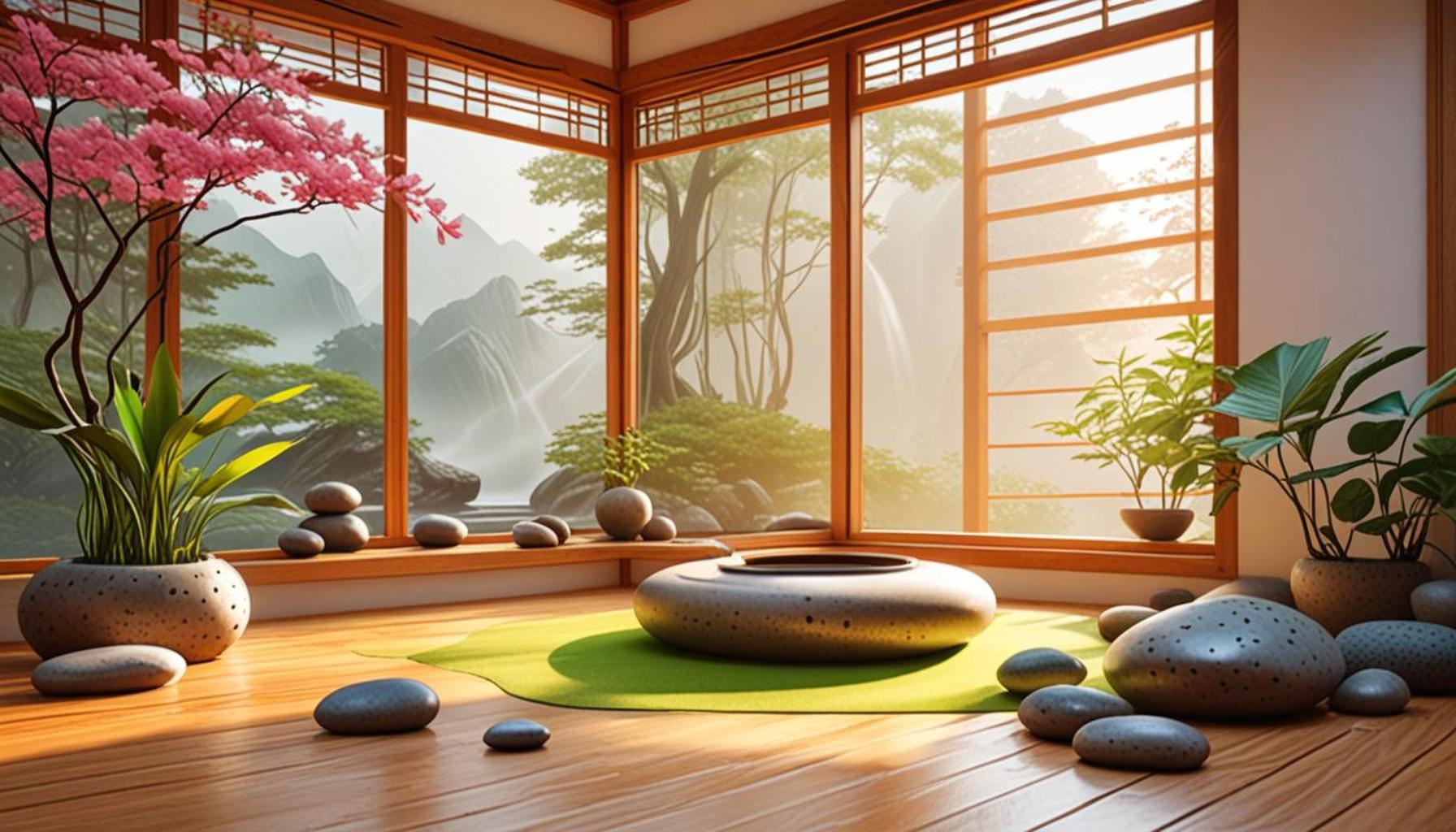
- Natural elements: Incorporating aspects of nature into your space is a powerful way to evoke feelings of peace. Houseplants like snake plants, pothos, or succulents can improve indoor air quality while providing visual appeal. Moreover, harnessing natural light by using sheer curtains or strategically placed mirrors can create an uplifting atmosphere, making the room feel more alive. Adding elements like a small tabletop water fountain can further enhance the connection with nature, as the gentle sound of flowing water promotes relaxation.
- Mindful furniture arrangement: The layout of furniture can significantly influence the energy flow within a space. Arranging furniture in a way that encourages communication and comfort—such as creating intimate seating areas or open pathways—can foster a sense of community and tranquility. Remember the importance of ergonomic seating, which supports good posture and comfort, thus contributing positively to mental well-being.
Crucial Design Aspects
When crafting a zen space, it is crucial to pay attention to various design aspects that further enhance the calming atmosphere:
- Color palettes: Opt for soft and neutral tones, such as muted greens, pale blues, or warm beige, to create a visually calming environment. These colors can help to reduce stress and evoke feelings of comfort and safety. Paint your walls or choose decor in these shades to maintain a harmonious visual experience.
- Textures: Selecting materials that offer warmth and comfort plays a vital role in creating a tranquil space. Soft textiles, like plush throw blankets, cushions, or rugs, add layers of coziness that invite relaxation. Additionally, incorporating natural materials like wood or stone can connect you to the earth and enhance the tranquil ambiance.
- Soundscapes: The auditory environment is just as important as the visual one. Integrating calming background sounds, such as gentle instrumental music or recordings of nature, can create a peaceful soundscape that promotes mindfulness and diminishes distractions.
The Broader Impact on Mental Health
Understanding how to create tranquil environments transcends mere aesthetics; it is fundamentally linked to enhancing our mental health and productivity. Numerous studies indicate that a well-designed space can lower cortisol levels, foster creativity, and improve focus. As we transform our surroundings to reflect calmness and clarity, we can experience profound changes in our daily lives. The way we feel in our personal and professional spaces can shape our interactions and overall productivity. Therefore, engaging in this intentional practice of crafting peace-infused environments is not just a design choice—it is an essential investment in our mental and emotional well-being.
DISCOVER MORE: Click here for decluttering tips
Crafting Your Own Zen Sanctuary
Creating a zen space is not only about aesthetics; it is a holistic experience that engages all the senses. To cultivate an atmosphere that encourages mindfulness, we must engage in thoughtful space optimization that goes beyond merely arranging furniture or choosing colors. It requires a careful examination of how each component of our environment can contribute to a greater sense of tranquility and focus.
Sensory Engagement in Zen Design
To truly embody a zen philosophy, it is vital to consider sensory engagement in space design. By purposefully integrating elements that stimulate the senses, we can create an environment that envelops us in peace:
- Vision: Visual clutter can create mental clutter. Utilizing a thoughtful color palette consisting of muted hues can establish a serene backdrop. Furthermore, incorporating art or decor that resonates with personal significance can inspire calmness. For instance, a simple piece of nature-inspired artwork can remind one of serene landscapes, evoking feelings of relaxation.
- Touch: The tactile experience within a space is equally important. Selecting soft fabrics for seating and textiles not only enhances comfort but also fosters a sense of warmth. Think about layering different textures through pillows, throws, and rugs to create a cocoon-like effect that encourages relaxation.
- Smell: Aromatherapy can elevate tranquility. Natural fragrances like lavender or eucalyptus can be introduced through essential oils, candles, or incense. Each scent interacts with our mood and stress levels; for instance, the calming properties of lavender can help soothe anxiety, making it a popular choice for zen spaces.
- Sound: Sound has the power to transform our environments. Consider integrating elements that produce gentle, calming sounds, such as wind chimes or a soft water feature. These auditory notes can drown out the chaos of the outside world and create a peaceful soundscape, enhancing focus and reducing stress.
Personalization and Intentionality
A zen space should be a reflection of personal identity and purpose. While general guidelines provide structure, personalization brings life to the space. Here are some intentional considerations for creating your own zen environment:
- Personal objects: Select items that hold personal value or memories, such as photographs or travel souvenirs, to create a nurturing atmosphere that inspires comfort.
- Dedicated areas: Designate specific zones within your space for mindfulness practices like meditation or yoga. Having a space that is explicitly intended for relaxation can reinforce the practice of finding peace amid the day’s hustle.
- Avoid distractions: Minimize technology and electronic devices in your zen space. Establish this area as a technology-free zone where you can retreat from the incessant buzz of notifications and distractions.
By exploring and implementing these sensory and intentional aspects of space design, you can forge a comforting retreat that serves as a true zen sanctuary. This process not only allows for greater emotional stability but also fosters an innovative spirit, encouraging personal growth and mindfulness. As you embark on this journey, pay attention to how these changes impact your mental well-being, prompting you to adapt your zen space continuously to suit evolving needs.
Creating a serene environment is more than simply decluttering; it involves a deep understanding of how our surroundings can affect our mental well-being. Zen Spaces emphasize a holistic approach to space optimization, where every element is intentionally selected and positioned to foster tranquility. This concept extends beyond aesthetics and dives into the science of spatial dynamics, influencing how we interact with our environment.By incorporating natural elements, such as plants and organic materials, Zen Spaces cultivate a soothing atmosphere. The use of earth tones and soft textures can reduce stress and enhance the visual harmony of a room. Furthermore, lighting plays a critical role in establishing a peaceful setting. Utilizing natural light where possible or installing dimmable lighting can create a mood that echoes calmness. Another essential aspect of Zen Spaces is the importance of mindful organization. This means not only decluttering surfaces but also designing spaces that allow for ease of movement and promote relaxation. Thoughtfully arranged furniture can create flow and connection within a room, inviting a sense of peace and nurturing creativity and productivity.Ultimately, a well-optimized space has the power to transform our daily experiences. It encourages mindfulness and fosters an environment where one can thrive emotionally and mentally. By harnessing these principles, individuals can reshape their spaces into personal sanctuaries that offer refuge from the chaos of everyday life. A pivotal part of this transformation involves incorporating systems or practices that continually promote tranquility, turning these Zen Spaces into lasting havens of peace. As more people recognize the profound impact of their physical environments on their mental state, the quest for a more harmonious home or workspace will only gain traction, making Zen Spaces a staple in modern design ethos.
DIVE DEEPER: Click here to uncover the secrets of space optimization
Bringing the Outdoors In: Nature’s Role in Zen Spaces
Integrating natural elements into your zen space can significantly enhance feelings of tranquility and connection to the environment. Biophilic design, which emphasizes the human affinity for nature, suggests that exposure to natural elements can reduce stress and improve overall well-being. Here are several ways to embrace nature within your sacred retreat:
Natural Light and Airflow
Natural light plays a pivotal role in setting the mood of a zen space. Ample sunlight can promote feelings of happiness and focus. If possible, arrange your space to maximize exposure to natural light. Large windows or skylights not only welcome brightness but also create visual continuity between indoors and outdoors.
Additionally, adequate airflow revitalizes and purifies the indoor atmosphere. Opening windows or incorporating air-purifying plants can foster a fresh environment that uplifts the spirit. For instance, plants such as spider plants and peace lilies not only beautify your space but also contribute to a cleaner air quality, allowing for a more serene atmosphere.
Indoor Gardens and Plant Life
Adding plants to your zen space can further enhance the calming experience. Indoor gardens or greenery, such as potted plants or even a vertical garden, can infuse vibrancy into the area. The act of nurturing plants can itself become a meditative practice, encouraging mindfulness as you tend to their needs.
Choose low-maintenance plants like succulents or ferns if you are new to gardening. Their diverse textures and colors can add a subtle beauty to your space while contributing to your peace of mind. Research indicates that the presence of plants can lower stress levels and improve concentration, making them a essential element in fostering a peaceful environment.
Natural Materials: Harmonizing the Environment
The use of natural materials is an essential aspect of zen design. Wood, stone, and organic textiles can create a grounding atmosphere that encourages a sense of belonging within the environment. Opt for furniture crafted from sustainable wood or add stone features to introduce an earthy element.
Moreover, consider the flooring options in your zen sanctuary. Natural materials such as bamboo or cork not only contribute to a calming ambiance but also possess sound-absorbing qualities that minimize noise. This creates an echo-free environment that enhances the experience of mindfulness practices within the space.
Water Elements: The Sound of Serenity
Integrating water features offers both visual appeal and soothing sounds. A small indoor fountain or a tabletop water feature can mimic the calming presence of flowing water, a natural element known to promote relaxation. The gentle trickle can mask unpleasant background noise and usher in a serene atmosphere conducive to meditation and reflection.
Reflect on how you can incorporate the various aspects of nature into your zen space. By thoughtfully arranging these elements, you can establish a sanctuary that is not only beautiful but also healing—a true haven of peace amid the busyness of daily life. This connection to nature is not merely a decorative choice; it actively contributes to creating an environment rooted in harmony and mindfulness.
DON’T MISS: Click here to discover effective organization tips
Conclusion: Embracing Serenity in Everyday Life
As we navigate the complexities of modern life, creating a zen space within our homes becomes essential for fostering tranquility and enhancing our overall well-being. The thoughtful optimization of our living environments, through the integration of natural elements, intentional design, and mindful decor choices, lays the foundation for a personal sanctuary that nurtures our senses. By embracing principles of biophilic design, we are reminded of our innate connection to nature, which profoundly affects our mental health and emotional stability.
Whether it’s through maximizing natural light and airflow, curating an indoor garden, or incorporating natural materials and soothing water features, each element serves as a crucial building block in cultivating a space that invites peace and mindfulness. The act of optimizing your environment is not merely an aesthetic endeavor; it is an empowering practice that encourages self-care and emotional resilience.
Ultimately, zen spaces are a reflection of our values and priorities, offering a retreat from the chaos external pressures can create. By investing time and thought into designing these tranquil havens, we can enrich our daily routines and discover renewed clarity, focus, and joy. As you embark on your journey to create your own zen space, consider this: no matter how small or simple, the changes you make can significantly impact your life, reminding you to pause, breathe, and embrace the stillness within.