Transforming Outdoor Spaces: Minimalist Gardening and Space Optimization Techniques
Elevate Your Outdoor Living Experience
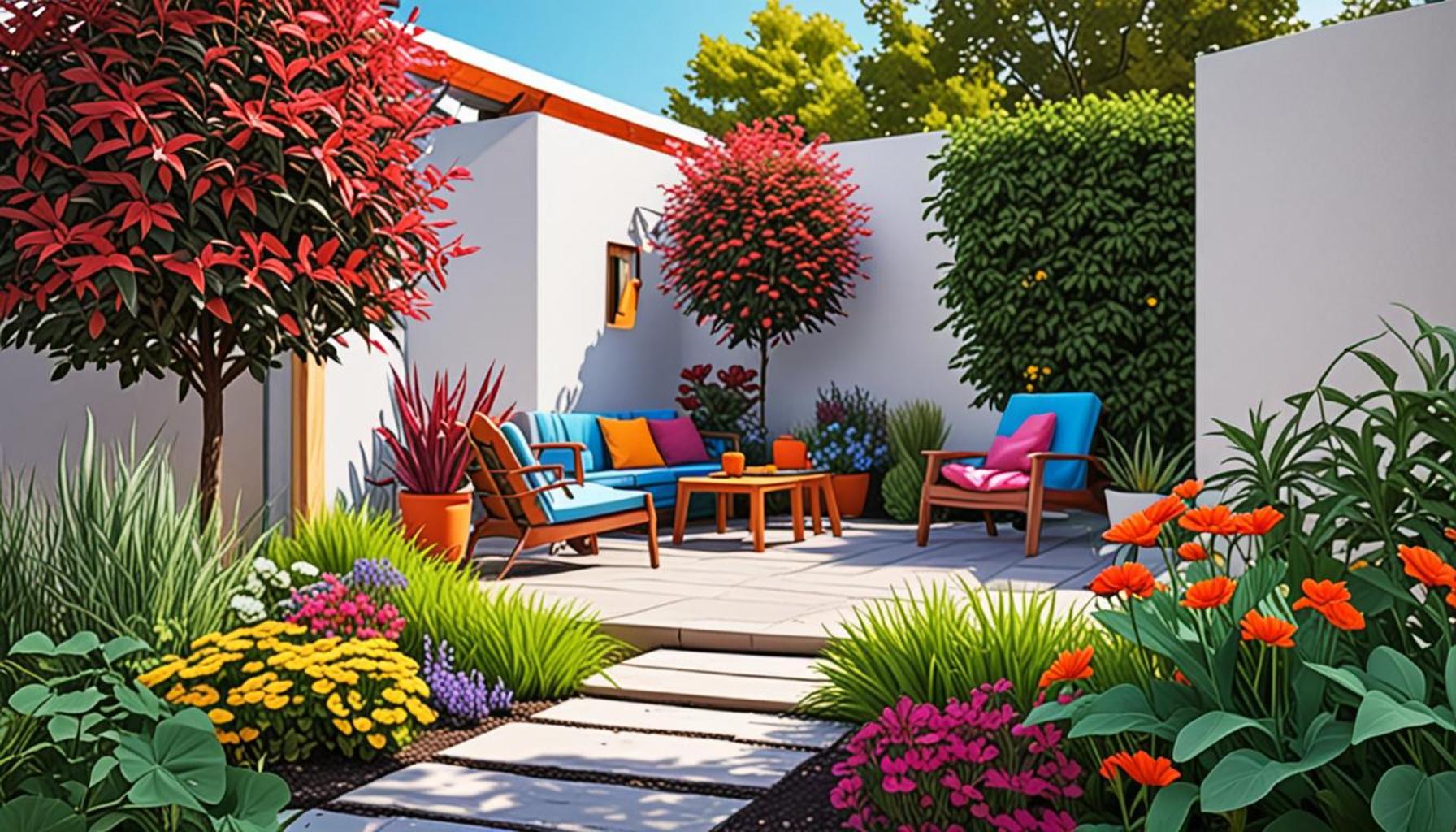
As urban living becomes increasingly popular, many city dwellers are seeking ways to enhance their outdoor spaces, often limited by size and resources. The art of minimalist gardening emerges as a transformative solution, promoting harmony and tranquility while avoiding sensory overload. By embracing simplicity and practicality, you can cultivate your outdoor haven into a placid retreat that captures the essence of nature.
At its core, minimalism transcends mere aesthetics; it fosters a mindset that prioritizes essential elements. This approach encourages you to curate your outdoor environment in ways that bring joy and peace. Here are essential components to consider when embarking on your minimalist gardening journey:
- Clean Lines: Establishing defined borders and straight pathways not only creates visual structure but guides the eye throughout the space. For instance, using gravel or stone to frame garden beds can provide a neat, organized look.
- Limited Plant Selection: Opting for a select few native or low-maintenance plants not only conserves water but also creates a harmonious aesthetic. Consider iconic examples like lavender or sedum, which thrive without excessive care and contribute to local biodiversity.
- Functional Furniture: Choosing versatile outdoor furniture, such as foldable chairs or benches with storage compartments, can greatly enhance usability while keeping your space uncluttered.
Marrying minimalist gardening principles with space optimization techniques can significantly enhance the functionality of any outdoor area. Here are practical strategies to consider:
- Vertical Gardening: Take advantage of vertical space by installing vertical gardens or trellises. These structures allow you to grow plants and flowers without sacrificing precious ground space, making them ideal for smaller patios or balconies.
- Container Gardening: Utilizing pots and planters grants you the flexibility to rearrange your garden layout easily. For instance, colorful ceramic pots can add vibrancy and can be moved to create a refreshed aesthetic throughout the seasons.
- Built-in Seating: Designing seating into walls or raised planters can save valuable space and creates an inviting atmosphere. For example, a seat built on a platform raised garden bed allows for both gardening and relaxation in one designated area.
By implementing intentional design concepts and making mindful choices, your outdoor space can transition into an inviting and functional area that mirrors your personal style while respecting ecological balance. Take the opportunity to explore innovative designs and reflect on how your garden might become the serene retreat you desire, embodying not just beauty but also sustainability.
Embarking on this minimalist garden journey opens doors to new possibilities of outdoor living. As you explore options, consider local resources or community gardens that might inspire your creation. The future of urban outdoor spaces rests in our hands, and the simplicity of minimalist gardening could be the key to a revitalized connection with nature.
DIVE DEEPER: Click here for more productivity tips
Principles of Minimalist Gardening
Minimalist gardening is more than just a trendy aesthetic; it embodies a philosophy that emphasizes the beauty of less. In a world that often feels cluttered and overwhelming, the principles of minimalist gardening allow you to streamline your outdoor space, promoting not only visual appeal but also emotional well-being. By focusing on key elements, you can achieve effortless elegance in your garden.
The first step in this journey is understanding the importance of intentional design. Each plant, stone, or piece of furniture should serve a purpose, contributing to the overall theme and functionality of your space. Here are some core principles to guide you:
- Embrace Negative Space: Contrary to popular belief, less can indeed be more. Emphasizing negative space—or the empty areas in your garden—can create a sense of openness and airiness. This aesthetic approach helps draw attention to the remaining elements, allowing them to shine.
- Color Coordination: A consistent color palette can unify your outdoor space, making it appear more cohesive. Opt for a few shades that resonate with your personal style and stick to them. Soft earth tones or monochromatic schemes can evoke tranquility, while bursts of vibrant colors can energize a garden.
- Textural Variety: Texture plays a crucial role in minimalist gardening. By incorporating different materials—such as smooth stones, rough bark, or soft grasses—you can create visual interest without cluttering the space. Aim to mix textures that resonate well with your selected plants and furniture, building an immersive experience.
Additionally, space optimization techniques are key to making the most out of your limited outdoor space. The integration of vertical elements, such as walls and fences, allows for increased planting area, making it possible to maintain a variety of plants without sprawling into adjacent spaces. Here are some effective space optimization strategies:
- Hanging Planters: Suspend pots from overhead structures or hooks to draw the eye upward, creating a visually striking focal point. This technique works especially well in small balconies or terraces, allowing you to introduce greenery without compromising floor space.
- Overlapping Layers: Layered planting, where taller plants are positioned in the back and shorter ones in the front, utilizes depth effectively. This design not only maximizes space but also creates a rich and textured garden that is both inviting and dynamic.
- Compact Edible Gardens: For those looking to merge functionality with beauty, consider a compact edible garden featuring herbs and vegetables. With plants such as basil, oregano, and cherry tomatoes, you gain both aesthetics and fresh produce right at your fingertips.
By integrating these principles and techniques into your outdoor landscape, transforming your space into a minimalist garden becomes a feasible and rewarding endeavor. The journey encourages exploration and creativity, allowing you to construct a personal oasis that reflects your values and lifestyle while harmonizing with nature. Adopting a minimalist perspective can yield not just an improved physical space, but also a greater sense of peace and well-being in your life.
| Advantages | Key Features |
|---|---|
| Enhanced Aesthetic Appeal | Minimalist design creates uncluttered outdoor spaces that highlight nature’s beauty. |
| Improved Functionality | Incorporating space optimization techniques allows for multifunctional areas, maximizing usability. |
| Sustainable Landscaping | Eco-friendly practices reduce water usage and promote biodiversity in gardens. |
| Low Maintenance | Choosing native plants minimizes upkeep while ensuring a thriving garden ecosystem. |
Transforming your outdoor spaces through minimalist gardening and space optimization techniques is a journey into enhancing the overall environment and quality of life. With each carefully curated element, you not only beautify your home but also create an inviting sanctuary that fosters relaxation and connection with nature.Consider the benefits of employing vertical gardens. They utilize wall space effectively, bringing greenery into urban settings where ground area is scarce. Implementing features such as raised beds or containers allows for easier gardening, particularly for individuals with limited mobility or space. Moreover, integrating natural materials and colors can seamlessly blend your outdoor aesthetic with the surrounding environment, creating a more cohesive and calming space. Remember, the goal is not just to arrange plants but to thoughtfully design a space that reflects tranquility and mindfulness. Stay tuned to dive deeper into specific techniques and examples that redefine what gardening can be!
DISCOVER MORE: Click here to find out how to declutter mindfully
Incorporating Sustainable Practices
As the minimalist gardening trend evolves, a growing emphasis on sustainability is reshaping outdoor spaces across the United States. Integrating eco-friendly practices not only complements the minimalist aesthetic but also contributes to the health of our planet. Sustainable gardening encourages a harmonious relationship with nature by utilizing resources responsibly and fostering biodiversity.
One key aspect of sustainable minimalist gardening is native plant selection. By choosing plants that are indigenous to your local area, you not only support local wildlife but also reduce the need for excessive watering and fertilizers. Native plants are adapted to your climate and soil conditions, making them easier to maintain. For gardeners in the U.S., options like the coneflower or black-eyed Susan offer vibrant color and attract pollinators, significantly enhancing your garden’s ecosystem.
Moreover, xeriscaping—designing landscapes with drought-resistant plants—can drastically minimize water usage, which is particularly crucial during the hot summer months seen in many regions. This approach allows you to create a dry, yet beautiful garden without the worry of a hefty water bill. Popular options in xeriscaping include agave, lavender, and various succulents, all of which require minimal care and maintenance.
Another sustainable practice is implementing composting, a technique that minimizes waste while enriching your garden soil. By composting kitchen scraps and yard waste, you can create nutrient-rich soil amendments that enhance plant growth. Not only does this practice reduce your ecological footprint, but it also encourages a resilient growing environment that aligns with minimalist principles of efficiency and functionality.
Smart Technology Integration
In today’s technologically driven world, the integration of smart devices is revolutionizing gardening. The right technology can optimize water usage, support plant health, and simplify garden management, all while adhering to minimalist philosophy. One such tool is the smart irrigation system, which uses sensors to assess soil moisture and adjust watering schedules automatically. This technology promotes water conservation and takes the guesswork out of irrigation.
Additionally, garden management apps allow you to keep track of your plants’ growth, watering needs, and maintenance schedules. These apps often include features like plant identification and reminders, enabling you to cultivate your garden without feeling overwhelmed. By centralizing information, these applications align seamlessly with the minimalist approach, promoting simplicity and efficiency.
Finally, consider the incorporation of solar lighting as part of your minimalist garden design. Solar-powered lights not only minimize energy consumption but also enhance your garden’s evening ambiance without cluttering the landscape with unnecessary cords or fixtures. Modern solar lights come in various designs, from sleek and modern to rustic, preserving the aesthetic integrity of your outdoor space.
Incorporating sustainable practices and smart technology not only enhances the functionality of your garden but also ensures that your transformation toward a minimalist outdoor space is holistic. These elements contribute to a more serene atmosphere, allowing you to enjoy your environment while feeling connected to the broader context of sustainability and innovation.
DISCOVER MORE: Click here for expert tips
Conclusion
As we explore the myriad ways to transform outdoor spaces through minimalist gardening and space optimization techniques, it becomes evident that simplicity does not equate to sacrifice. Instead, it paves the way for creative expression and sustainability. The adoption of native plants not only enhances local biodiversity but also champions ecological responsibility, significantly reducing resource consumption. Techniques such as xeriscaping and composting exemplify the future of gardening—where beauty meets functionality and environmental awareness.
Furthermore, the integration of smart technology, from automated irrigation systems to garden management apps, is revolutionizing how we interact with our green spaces. These tools alleviate the burdens of traditional gardening by promoting efficiency, allowing nature to thrive effortlessly. In this balance of technology and nature, gardeners can achieve aesthetic appeal while preserving essential resources.
Ultimately, transforming outdoor spaces is not merely about aesthetic transformation; it is a journey towards creating environments that reflect personal values and sustainability practices. As we embrace minimalist gardening, we invite a fresh perspective—one that prioritizes personal connection to nature, fosters community engagement, and signals a shift towards a more sustainable way of living. With each step into this new paradigm, we redefine our spaces, making them not only more beautiful but also more impactful. The quest for a harmonious outdoor sanctuary, tailored to our modern lives, is just beginning—so why not embark on your own transformation today?