Transform Your Space Mindful Decluttering with Mindful Living

Transform Your Space with Mindful Decluttering
In today’s fast-paced world, the concept of minimalism is gaining traction as individuals seek to create balance amid chaos. Decluttering is more than just tidying up; it’s an opportunity to engage with our surroundings and our belongings consciously. Mindful Living supports this journey by encouraging us to be present, making intentional decisions about what we choose to keep in our lives.
The link between mindfulness and decluttering is profound. When we practice mindfulness, we become more attuned to our feelings, values, and priorities. This awareness fosters a deeper understanding of how our environments affect our mental well-being, ultimately transforming our spaces into sanctuaries of peace and organization.
In this article, we will delve into the Top 5 Mindful Decluttering Practices that can help reshape your home and mindset. From evaluating your possessions to cultivating gratitude, these methods will empower you to foster a harmonious living space.
Top 5: The Practice of Mindfulness in Decluttering: How Mindful Living Can Transform Your Space
In the midst of our fast-paced, consumer-driven world, our living spaces often morph into repositories of unused items and forgotten memories. The urge to clear this clutter and embrace simplicity emerges not just as a mere task but as a profound longing for peace and order. This journey intersects intriguingly with the concept of mindfulness—a practice deeply rooted in awareness and intentionality. As we explore the synergy between mindfulness and decluttering, we uncover a path that extends beyond the physical, leading to a transformative change in both our environments and ourselves. Here, we present a thoughtful guide, ranked from the fifth most impactful to the first, that reveals how mindfulness can revolutionize the practice of decluttering.
5. Understanding Mindfulness in Decluttering
Before embarking on the task of decluttering, it’s crucial to first comprehend the essence of mindfulness. This ancient practice involves being fully present in the moment, engaging with our emotions, thoughts, and surroundings in a non-judgmental manner. When applied to decluttering, mindfulness becomes a powerful tool for shifting perception—from viewing it as a tedious chore to recognizing it as a contemplative practice fostering clarity and intention.
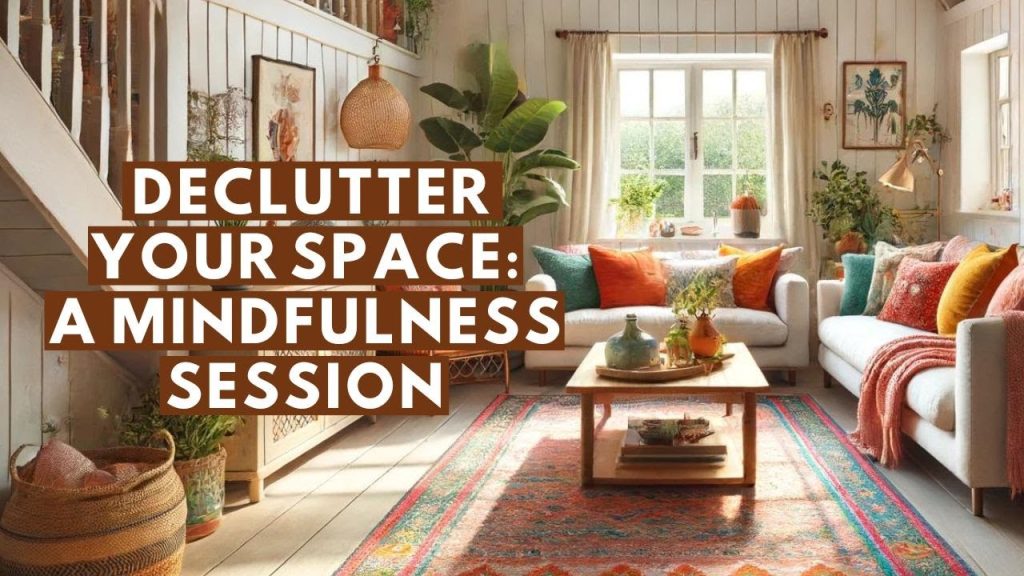
- Acknowledge Your Emotions: Our belongings often carry emotional residues—gifts laden with expectations, souvenirs from past travels, or inherited items heavy with sentiment. By acknowledging these emotions, we begin to understand the complex relationships we have with our possessions.
- Stay Present: Mindfulness encourages us to focus on the ‘here and now’, which is pivotal when faced with the task of decluttering. Staying present helps to prevent wandering thoughts, allowing us to concentrate solely on the task at hand.
- Practice Non-Judgment: When we let go of judgments about our possessions—such as guilt for keeping or discarding certain items—we are liberated from emotional burdens, creating a clearer pathway for decision-making.
4. Cultivating Intentionality in Your Space
Once we understand mindfulness, we can begin incorporating it into our decluttering through intentionality. This involves making deliberate choices about the items we keep, shaping our environment into one that reflects purpose and joy.
Here are some ways to apply intentionality:
- Evaluate Each Item: Consider the utility and emotional impact of an item. Does it truly serve a purpose or bring joy? If not, perhaps it’s time to part ways.
- Create a Vision: Visualize the kind of space you aspire to inhabit—a haven of tranquility or a vivacious hub of activity—and use this vision to guide your decluttering decisions.
- Limit Your Belongings: Embrace the minimalist ethos of ‘less is more’. By surrounding yourself with items that are meaningful or functional, you cultivate a space that nourishes rather than overwhelms you.
3. Mindful Decisions During the Decluttering Process
The decluttering journey is fraught with decisions, which can become overwhelming without the right mindset. Mindfulness offers strategies to navigate these choices with grace and clarity, ensuring that each action aligns with your values and lifestyle.
Implementing these mindful strategies can be beneficial:
- Set Boundaries: Define specific areas or categories to tackle at a time. For instance, start with a single drawer or a shelf rather than an entire room, preventing the feeling of being overwhelmed.
- One Item at a Time: Give each possession the attention it deserves. This methodical approach prevents distractions and maintains focus, breaking down the larger task into manageable parts.
- Reflect on Your Choices: Periodically pause to consider the decisions you’ve made. This reflection not only enhances your self-awareness but also strengthens your ability to make future decisions with ease and confidence.
2. Transforming Your Space Through Mindful Living
Immersing yourself in the practice of mindfulness while decluttering manifests visible changes in your surroundings. The act of simplifying your space often mirrors an internal simplification, creating room for tranquility and creativity. An environment free from clutter not only improves aesthetics but also nurtures the mind, body, and spirit.
Expect these transformations:
- A Clutter-Free Zone: Physical clutter often breeds mental clutter. As your space clears, so too does your mind, leading to increased focus and reduced stress levels.
- Emotional Clarity: Confronting and releasing the emotional weight tied to belongings facilitates healing and encourages a healthier emotional landscape.
- Enhanced Relationships: A serene and organized home fosters a warm, welcoming atmosphere, strengthening familial bonds and improving interpersonal connections.
1. The Ultimate Mindful Living Experience: A Sanctuary of Peace
The culmination of mindfulness in decluttering results in a sanctuary of peace. Moving through this process with intention and awareness not only transforms your physical space but also nourishes the soul. This environment of harmony acts as a daily reminder of the simplicity and presence that mindful living promotes.
In essence, this transformation is an invitation for introspection and growth. As you fine-tune your space into an extension of your authentic self, you cultivate a lifestyle that prioritizes wellbeing and mindfulness over materialism. Your home becomes an embodiment of minimalism—a peaceful retreat from the chaos of the external world.
Ultimately, the journey of mindful decluttering is not just about lessening physical possessions but about enriching your life. It’s a powerful tool in the quest for a clearer mind, a vibrant spirit, and a life filled with purpose and joy. By embracing mindfulness, you set the stage for a personal evolution that resonates within you, inviting introspection, peace, and a deeper connection to your surroundings.
| Category | Details |
|---|---|
| Focus on Intentionality | In mindful living, decluttering becomes a practice of intentionality, where every item is chosen carefully based on its purpose and value in your life. |
| Emotional Well-Being | Decluttering with mindfulness can significantly enhance your emotional well-being, helping reduce feelings of stress and anxiety by creating a more harmonious space. |
| Environmental Awareness | The practice often leads to greater awareness of our consumption habits, encouraging sustainability and a more minimalistic lifestyle, which are pivotal in the pursuit of a greener planet. |
| Space as Reflection of Self | A decluttered and mindful living space becomes a reflection of your true self, allowing for more clarity and focus on personal goals and values. |
Frequently Asked Questions about Mindful Decluttering
What is mindful decluttering?
Mindful decluttering combines the practice of mindfulness with the act of decluttering your space. This approach encourages you to be present and intentional as you sort through your belongings, helping you focus on what truly matters. By doing this, you can create a space that reflects your values and meets your needs, promoting a sense of peace and organization.
How does mindfulness enhance the decluttering process?
Mindfulness enhances the decluttering process by promoting awareness and clarity. When you’re mindful, you engage with each item on a deeper level, considering its purpose and value in your life. This helps reduce anxiety and emotional attachments, making it easier to let go of things that no longer serve you. Mindfulness also fosters a sense of gratitude for what you keep, further transforming your space into one filled with intention and purpose.
Can mindful decluttering impact mental health?
Yes, mindful decluttering can have a positive impact on mental health. By consciously clearing clutter, you reduce visual distractions and create an environment that supports relaxation and focus. This can decrease stress and increase feelings of well-being. Furthermore, the practice of mindfulness itself is associated with lower levels of anxiety and improved emotional regulation, making it a beneficial practice for mental health.
What steps should I take to begin mindful decluttering?
To begin mindful decluttering, start by setting a clear intention for the process. Identify the areas in your space that need attention and approach them with a calm mind. Take each item in your hands, ask yourself questions about its necessity and value, and decide whether to keep, donate, or discard it. It’s essential to work in small, manageable sessions to maintain focus and prevent overwhelm. Remember, this is a journey, not a sprint, so allow yourself to move at a comfortable pace.
Are there any common challenges in mindful decluttering?
Common challenges include emotional attachments to items, decision fatigue, and feeling overwhelmed by the volume of belongings. It’s important to approach these challenges with compassion and patience. Practicing mindfulness can help you recognize and address the emotions that arise during the process. Additionally, setting realistic goals and taking regular breaks can help keep you motivated and focused.
Conclusion: Embracing Mindful Living in Decluttering
As we conclude our exploration of how mindfulness can transform our living spaces, it’s crucial to recognize the profound impact that mindful decluttering can have on both our physical and mental environments. By integrating mindfulness principles into the practice of decluttering, individuals can approach their spaces with intentionality and purpose, rather than merely focusing on the removal of excess items.
The core takeaway from this approach is the shift in perspective from decluttering as a chore to viewing it as a pathway to achieving a harmonious and balanced lifestyle. Utilizing mindfulness, people can better understand their connections to the items they own, leading to more informed decisions about what to keep and what to let go. This process enables individuals to cultivate spaces that truly reflect their values and lifestyles.
The Power of Minimalism and Organization
Furthermore, mindful decluttering underscores the principles of minimalism and personal organization. By consciously engaging in the process, individuals are not only reducing physical clutter but also promoting a mental clarity that allows for improved focus and well-being. The benefits extend beyond aesthetic improvements to offer meaningful contributions to one’s emotional and psychological health.
Ultimately, the practice of mindful living through decluttering allows individuals to transform their homes into sanctuaries of peace and productivity. As such, embracing this approach can reveal ongoing opportunities for growth and introspection, encouraging individuals to continuously refine and enhance their surroundings. For those seeking to dive deeper into this transformative process, further exploration of minimalist lifestyles and organizational strategies offers an intriguing path toward creating spaces that breathe tranquility and purpose.