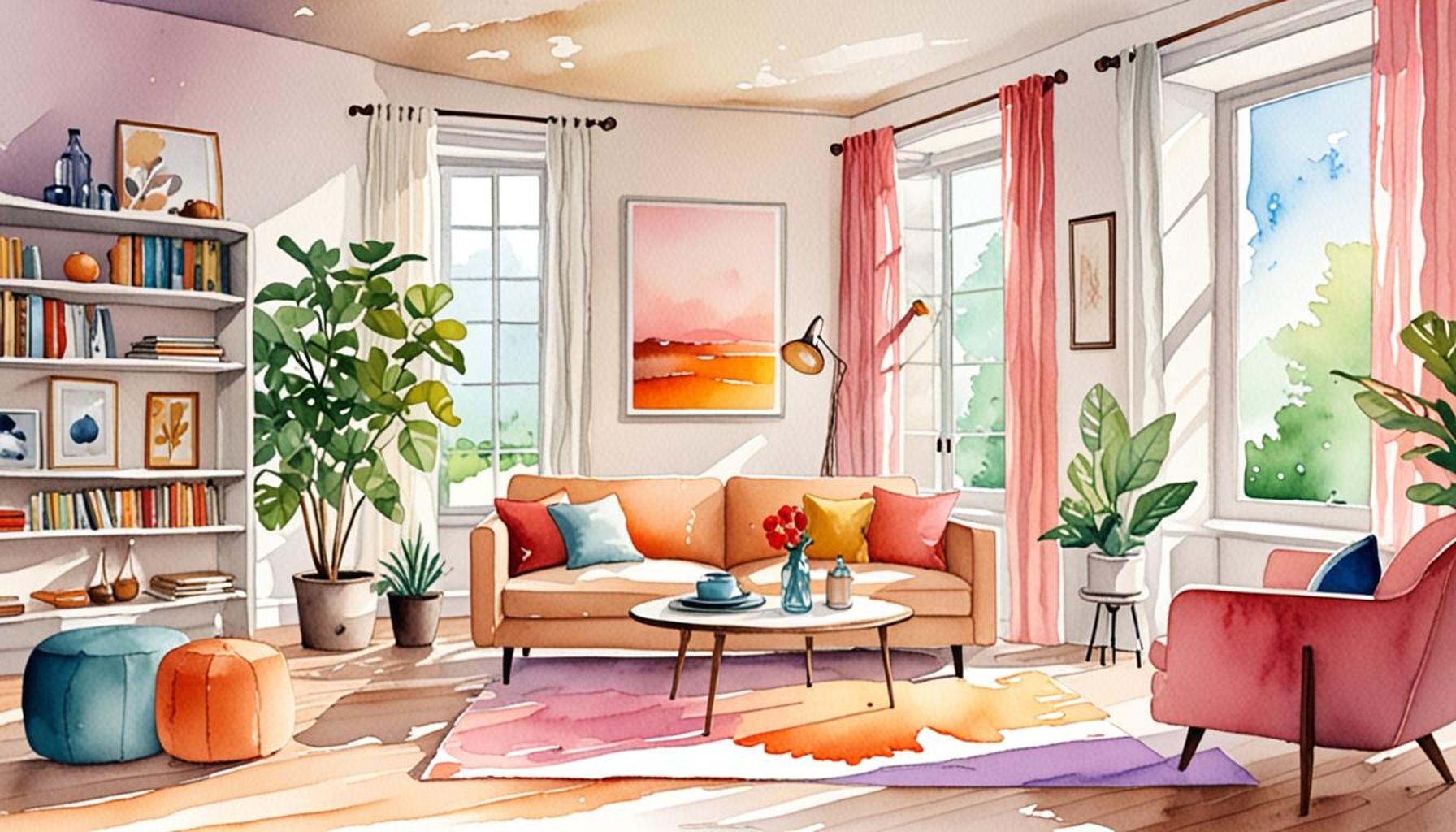
The Practice of Mindfulness in Space Organization: Creating Environments that Promote Serenity

Unleashing Tranquility through Thoughtful Space Arrangement
In our increasingly hectic lives, the pursuit of inner peace often feels like a distant fantasy. The practice of mindfulness offers a powerful remedy to this modern malady, particularly by enhancing how we arrange and utilize our personal and professional spaces. By fostering organized and serene environments, we not only turbocharge our productivity but also cultivate a profound sense of well-being.
Exploring the intricate relationship between effective space organization and mindfulness highlights several key considerations essential for transforming any environment into a sanctuary of calm:
- Clarity: A decluttered space is akin to a blank canvas, allowing the mind to focus without distractions. Studies have shown that environments free from clutter can significantly decrease anxiety, leading to clearer thought processes and enhanced creativity. For instance, consider a workspace littered with papers and unorganized tools; the chaos can inhibit productivity and manifest as overwhelming stress. Conversely, a tidy desk can energize motivation and concentration.
- Functionality: Spaces impeccably suited to their purpose not only streamline tasks but also augment efficiency. Think about the importance of a well-arranged kitchen for someone who enjoys cooking. Cooking utensils should be within easy reach, and ingredients organized logically, allowing for a pleasant cooking experience rather than a frustrating scavenger hunt. A functional environment can transform routine activities into enjoyable processes.
- Natural Elements: Integrating elements from nature—such as plants, natural light, or even water features—can dramatically enhance mood and cognitive function. Numerous studies demonstrate that exposure to greenery can lower stress levels and boost creativity. For example, a simple potted plant or a well-positioned window that invites natural sunlight can create a more inviting and cheerful atmosphere.
The settings we inhabit, whether at home or in the office, significantly influence our mental and emotional states. By embracing mindfulness in space organization, we elevate our environments from mere physical structures to nurturing spaces that resonate harmony. Research indicates that mindful space designs not only reduce anxiety levels but also stimulate innovative thinking and problem-solving abilities.
As you dive deeper into mindful organization, the opportunities to revitalize your surroundings become endless. Experimenting with different layouts, decluttering practices, and the integration of calming elements can lead to a more peaceful existence. So where do you begin this transformative journey of space organization?
Start small; tackle one area at a time, whether it’s a single drawer or a corner of your living room. Assess the space critically—do you genuinely need all the items contained within? Strive for functionality and aesthetics, keeping only what enhances your life. Additionally, seek inspiration from various resources such as books, articles, or even workshops focused on organized living and mindfulness. As you embark on this adventure, remember that the journey towards a mindful, organized space is a personal one, uniquely shaped by your experiences and preferences.

DISCOVER MORE: Click here to learn about mindful decluttering
Key Steps to Mindful Space Organization
Creating an environment that promotes serenity necessitates deliberate effort and mindfulness in how we approach the organization of our spaces. Each step we take in transforming our surroundings can significantly contribute to our overall sense of calm. Here are some fundamental strategies to consider when seeking to create a mindful space tailored to your needs:
- Assess Your Current Space: Begin by examining your environment with a critical eye. Take note of areas that feel chaotic or overwhelming and identify items that contribute to this clutter. This awareness is the first step toward a peaceful transformation. Consider not just the physical items, but also the emotional weight they carry. Are you holding onto things that no longer serve you? This simple exercise can reveal opportunities for clarity.
- Focus on the Essentials: Adopt a minimalist mindset by asking yourself what is truly necessary for your day-to-day activities. Mindfulness encourages us to cherish simplicity and functionality. For instance, if you find work documents spilling from every corner, streamline those materials by selecting only what you need for current projects. Creating a ‘stop-doing’ list can also be beneficial. Identify activities or commitments that drain your energy, leaving more space for what brings you joy.
- Create Designated Zones: A well-organized space often consists of clearly defined zones tailored for specific activities. For example, setting up a reading nook with comfortable seating and adequate lighting can foster a serene atmosphere for relaxation. This separation helps the brain switch between different tasks more fluidly. Studies show that clear boundaries within a space enhance focus and productivity, turning routine work into a fulfilling experience.
- Incorporate Aesthetic Elements: While achieving functionality is critical, aesthetic considerations play an essential role in creating a serene environment. Incorporate colors, textures, and decor that evoke a sense of calm—soft blues and greens can provide a soothing backdrop. Art, photographs, or personal mementos can imbue your space with positive memories and energy, ultimately shaping your environment into a sanctuary.
- Prioritize Maintenance: A serene space requires ongoing attention. Develop a habit of routine check-ins to control clutter and maintain the organization of your environment. This could include a weekly tidy-up session, ensuring all items have a designated place and reducing the buildup of unnecessary distractions. Regular upkeep can cultivate a sense of accomplishment and control, further enhancing serenity.
These strategies serve as a launching pad for anyone eager to implement mindfulness in space organization. By making changes to our environments, we set the stage for personal tranquility. The act of organizing become not just a chore but a form of self-care, where each intentional modification nurtures our surroundings and, by extension, our inner peace.
In sum, embracing mindfulness within our organizational strategies allows for a deeper connection to our spaces. The emotional and mental benefits are countless, promoting feelings of calmness and clarity that can lead to improved focus and creativity. As you embark on this journey, remain open to the insights your space has to offer and how it can better reflect your serene aspirations.
| Advantage | Details |
|---|---|
| Enhanced Focus | A clutter-free environment minimizes distractions, allowing for improved concentration and productivity. |
| Emotional Well-being | Organized spaces can lead to reduced stress and anxiety, as individuals find peace in their surroundings. |
| Creative Flow | A serene environment fosters creativity and allows innovation to flourish by providing mental clarity. |
Creating spaces that reflect the principles of mindfulness can dramatically influence individual experiences and interactions within those environments. For instance, enhancing focus is not just about removing distractions but ensuring every element within a space contributes positively to one’s mental state. The choice of colors, textures, and organization plays a significant role in this regard. Furthermore, the emotional impact cannot be understated. Individuals often report feelings of calmness and serenity when surrounded by thoughtfully arranged spaces, contributing to an overall improved emotional well-being. This connection between environment and emotion is increasingly backed by research in psychology, highlighting the importance of mindful space organization. Finally, a thoughtfully curated space does not just clear the mind; it can also inspire creativity, allowing ideas to flow freely. Embracing these aspects of mindfulness can lead to environments that significantly enrich our daily lives and interactions.
DIVE DEEPER: Click here to discover more
Embracing Mindful Practices in Daily Organization
Within the journey of organizing our spaces with mindfulness, adopting various practices can enhance the serenity of our environments further. These strategies revolve around creating a harmonious relationship with our surroundings and integrating mindfulness into our everyday organizational tasks. Here are several advanced approaches to consider:
- Incorporate Nature Elements: Biophilia, or the innate connection humans have with nature, plays a substantial role in promoting well-being. Integrating natural elements, such as indoor plants, can significantly elevate the atmosphere of any space. Research indicates that green plants can reduce stress and increase feelings of tranquility. Consider selecting low-maintenance plants like snake plants or pothos, which are not only aesthetically pleasing but also improve air quality, creating a calming environment that nurtures both mind and body.
- Establish a Ritual of Decluttering: Rather than viewing decluttering as a burdensome task, transform it into a meditative practice. Choose a specific time each week to immerse yourself in your space, focusing on individual items as you sort through them. As you touch, evaluate, and decide the fate of each object, allow yourself to connect with its purpose and emotional resonance. This ritual can cultivate a deeper awareness of your possessions, reinforcing emotional clarity and reducing attachment to unnecessary items.
- Integrate Mindfulness Techniques: Incorporate mindfulness techniques into your organizational routine. For example, practice deep breathing as you organize your workspace. As you sort through files or rearrange furniture, pause to breathe deeply, connecting your breath with your movements. Not only does this enhance focus, but it also keeps you grounded in the present moment, minimizing feelings of overwhelm that can arise during larger organizational tasks.
- Utilize Storage Solutions Thoughtfully: Mindful space organization encourages us to consider how we store our belongings. Utilize boxes or containers that resonate with your aesthetic preferences yet serve a functional purpose. Transparent storage solutions can enhance visibility and remind you of the items you own, minimizing impulse purchases and encouraging intentional living. Also, consider using labeled storage to clearly define what resides in each area, making retrieval effortless and reducing clutter.
- Reflect Regularly: Take moments to pause and reflect on how your organizational changes impact your well-being. Journaling about your experiences or sharing them with a friend can provide insights into what aspects of your space bring you joy or stress. This practice of reflection is integral to mindfulness—inviting you to continually tune into your evolving needs and emotions as they relate to your environment.
Embracing these mindful practices in your daily organization enhances not only the physical environment but also nurtures mental clarity and emotional well-being. In the fast-paced world we navigate, the effort to cultivate serenity through thoughtful space organization can serve as a powerful counterbalance—inviting calmness amidst the chaos of daily life. By fostering a mindful relationship with our belongings and the spaces we inhabit, we open the door to a more centered and peaceful existence.
The integration of mindfulness into space organization is not merely about aesthetic appeal; it cultivates a deeper sense of purpose and connection with our environments. As you explore these additional strategies, consider how they resonate with your journey toward creating a serene sanctuary that reflects your personal ethos and lifestyle choices.
DISCOVER MORE: Click here to learn how to maximize your space
Conclusion: Cultivating Serenity through Mindful Space Organization
As we delve deeper into the practice of mindfulness in space organization, it becomes clear that the approach transcends mere tidiness; it serves as a pathway to cultivating serenity within our lives. Every element of our surroundings—from the incorporation of natural elements to the establishment of decluttering rituals—plays a pivotal role in shaping our mental landscape. The act of mindfully organizing our spaces fosters not only emotional clarity but also a sense of intentional living, encouraging us to make choices that are purposeful and aligned with our well-being.
Adopting mindfulness techniques in daily organizational tasks enables us to engage in a deeper connection with our spaces. As we breathe through and reflect on our possessions, we create environments that resonate with tranquility and reduce stress. The implementation of thoughtful storage solutions that align with our aesthetic preferences allows us to maintain visual clarity and ease, further enhancing our ability to find peace within our homes.
As the fast-paced world accelerates around us, embracing these mindful practices becomes an essential strategy for mitigating chaos and cultivating a sanctuary of calm. Whether through journaling our experiences or simply taking time to reflect on our needs, the journey of mindful space organization invites us to prioritize serenity and presence in our daily lives. By consciously designing environments that reflect our values and aspirations, we not only improve our physical surroundings but also enrich our emotional and mental states. Thus, the integration of mindfulness into space organization is a vital step toward achieving a more harmonious and centered existence.