Personal Organization Strategies to Maximize Space in Minimalist Environments
Embracing Space: Efficiency in Minimalist Living
As modern lifestyles evolve, many individuals are gravitating towards a minimalist aesthetic that prioritizes simplicity, functionality, and intentionality. In this context, making the most of limited space is not just a necessity but an art form. Incorporating effective personal organization strategies can dramatically improve both the utility and visual appeal of minimalist environments, creating a harmonious atmosphere that promotes well-being.
One of the foundational elements of minimalist living is decluttering. Regularly assessing your possessions and removing items that no longer serve a purpose can dramatically enhance your space. This process doesn’t have to happen overnight; instead, consider implementing a systematic approach, such as the “one in, one out” rule, where for every new item you bring in, you remove an old one. Engaging in seasonal decluttering—perhaps during spring cleaning—can also help maintain a tidy environment and ensure that you’re surrounded only by items that inspire joy or serve a function.
Another innovative solution is to invest in multi-functional furniture. In smaller living spaces, every piece of furniture plays a crucial role. Look for options like a sofa bed that converts into a sleeping area for guests or a coffee table with built-in storage to stash away books and magazines. These versatile furniture choices not only maximize practicality but also allow for more open space, contributing to the essential minimalist vibe. For instance, a dining table that can extend or collapse based on the occasion can seamlessly adapt to your needs without compromising on style.
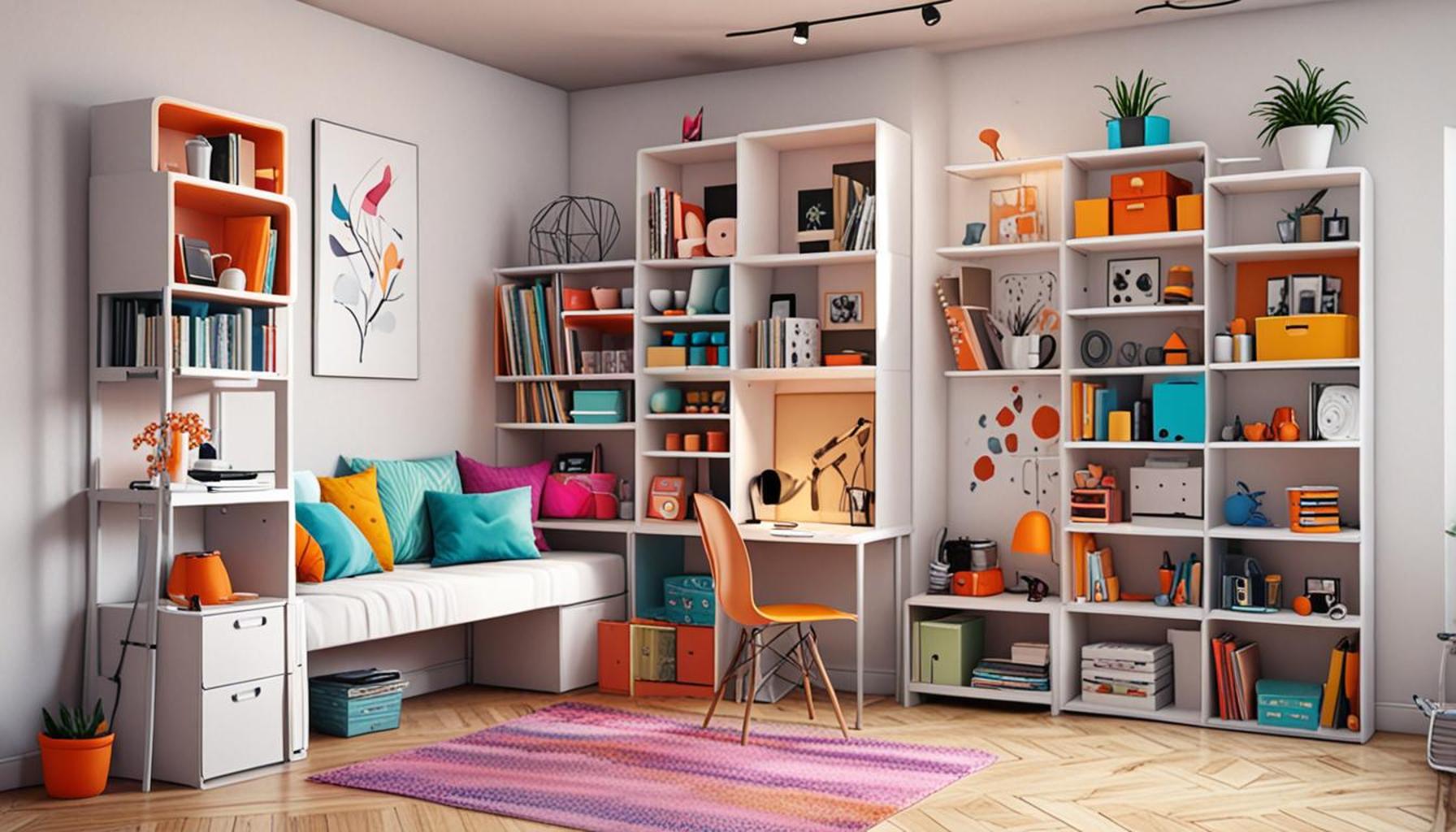
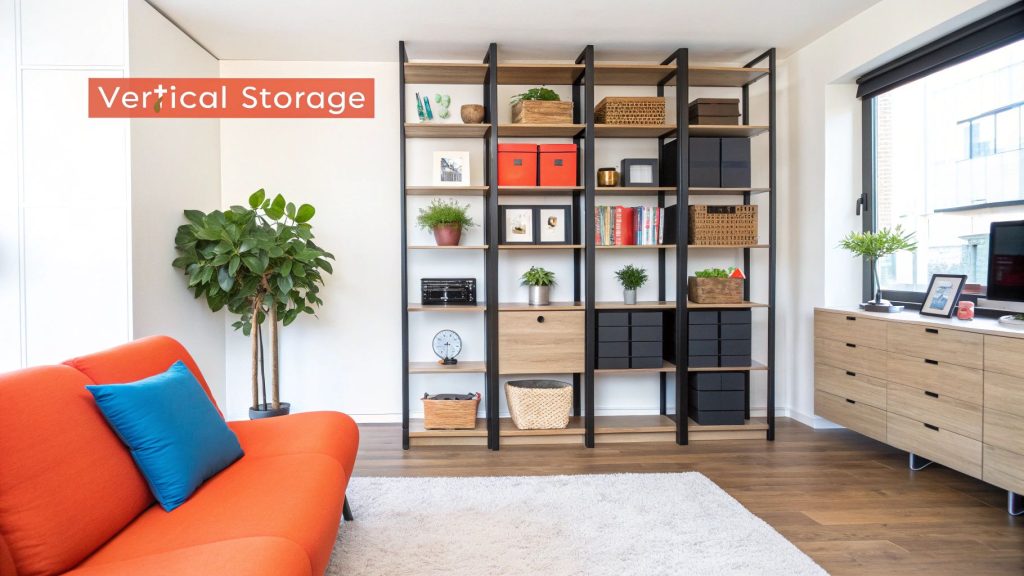
Additionally, vertical space utilization is a game changer in the realm of minimalism. Making the most of your walls can free up valuable floor space, which is particularly important in urban settings. Use shelving to showcase books or art, or install hooks and pegboards for easy access to frequently used items such as kitchen utensils or crafting supplies. By drawing the eye upward, you not only create an illusion of space but also add an element of design sophistication to your minimalist setup.
These strategies are just the tip of the iceberg when it comes to optimizing a minimalist lifestyle. With careful planning, ingenuity, and a willingness to adapt, you can manifest a living or working space that is as organized as it is inviting. The minimalist journey invites individuals to re-evaluate their relationship with their belongings and discover the freedom that comes from curated simplicity.
In the coming sections, we will delve deeper into various techniques and tips designed to help you navigate the minimalist landscape with ease and confidence. Equipped with these insights, you will find that embracing minimalism can lead to a more joyful, clutter-free existence, allowing you to focus on what truly matters in your life.
DISCOVER MORE: Click here for insights on embracing essentialism
Maximizing Utility: Strategic Organization for Minimalist Environments
In a world increasingly dominated by consumerism, embracing minimalism allows individuals to reclaim their living spaces and their mental clarity. Achieving a harmonious balance between aesthetics and functionality is vital when striving to maximize space in minimalist environments. Here, we explore a range of personal organization strategies that can help transform any space into a streamlined sanctuary.
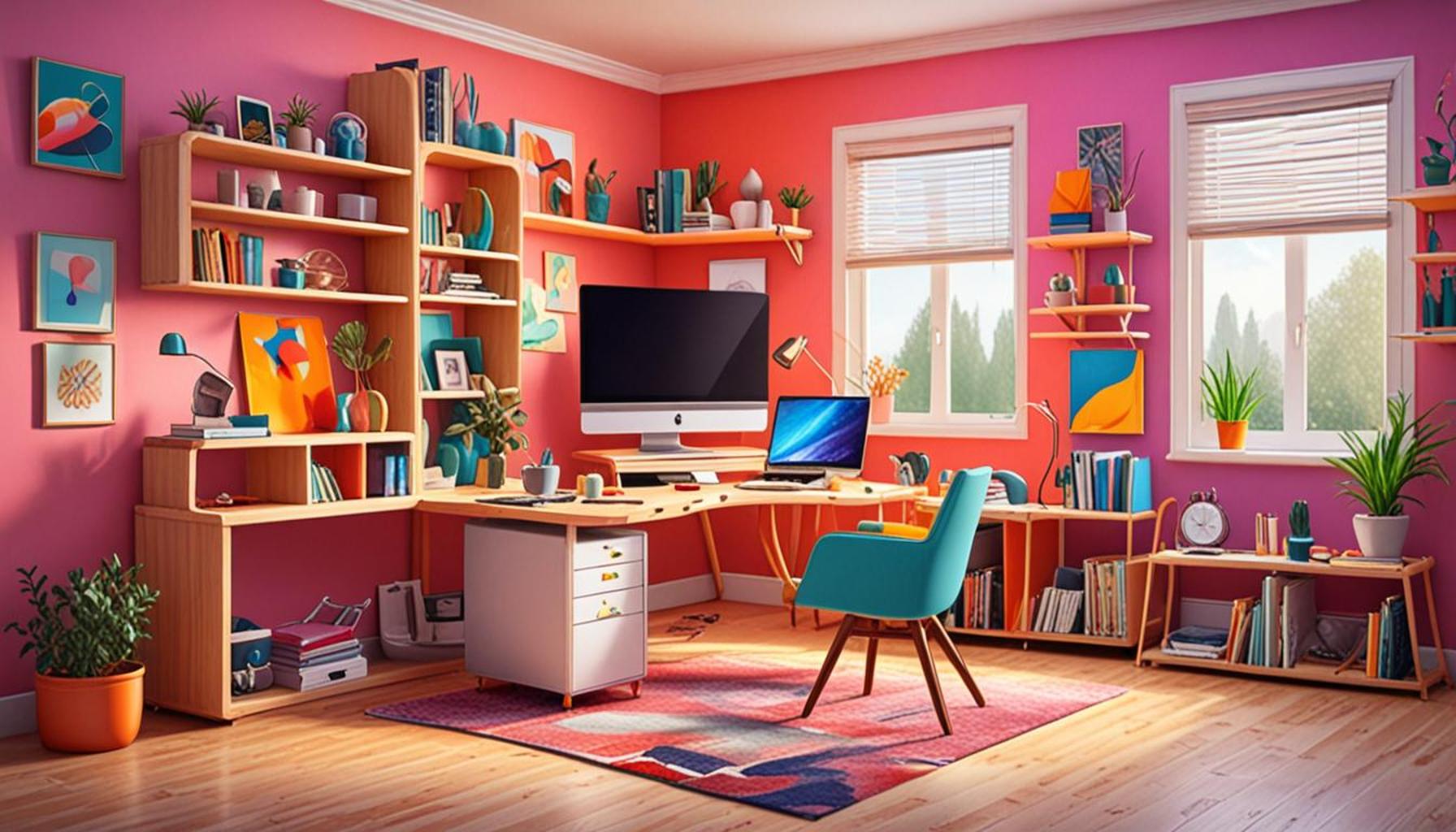
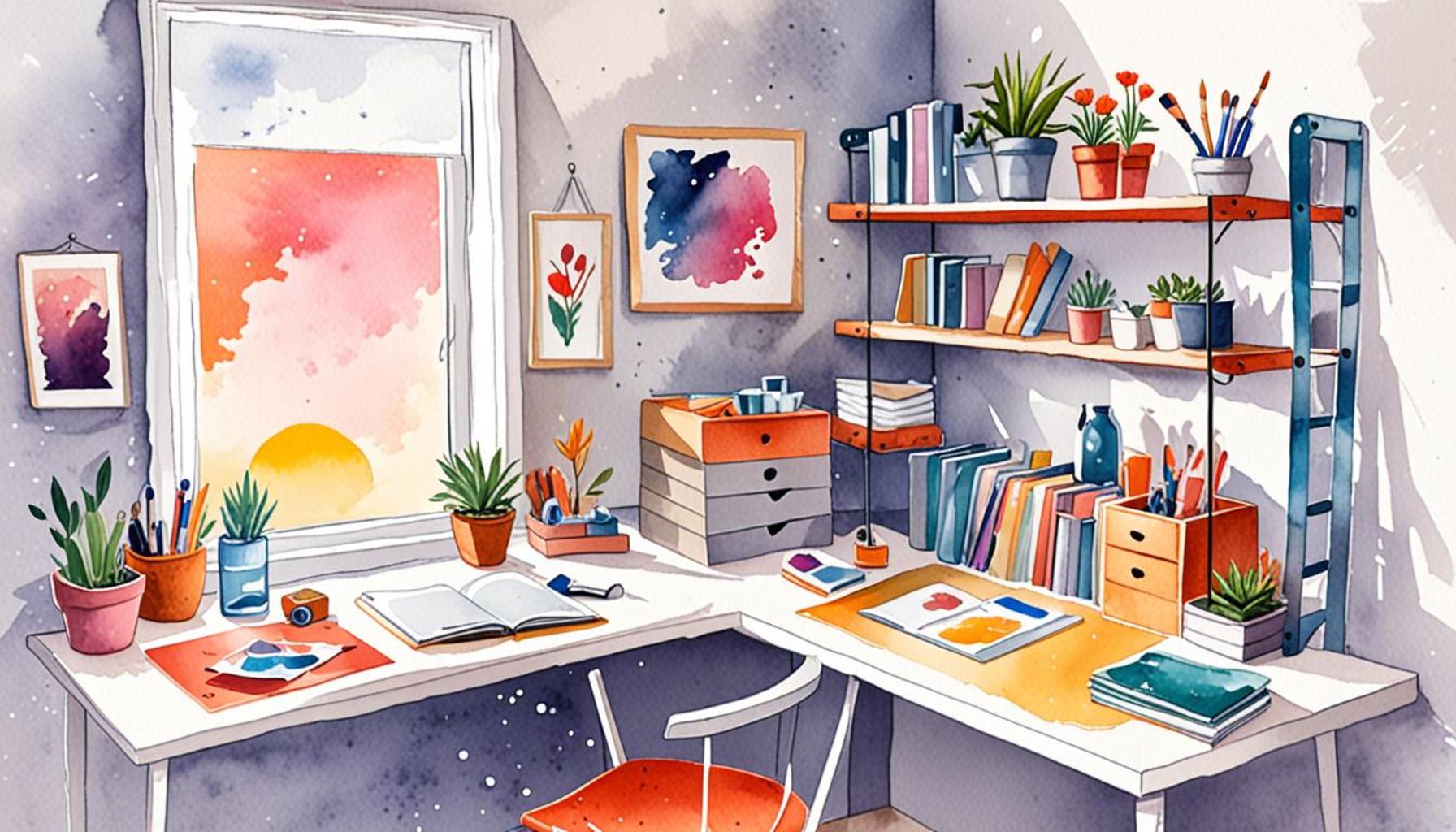
One of the most powerful methods in your organizational arsenal is the concept of zonification. By designating specific areas for particular activities—like work, relaxation, and dining—you can minimize clutter and maintain focus on the tasks at hand. For instance, if you have a small living room, consider creating a distinct workspace using a small desk and some strategically placed shelves. This separation creates a clear segmentation in your space that encourages productivity while simultaneously limiting chaotic intermingling of your belongings.
Incorporating transparent storage solutions is another game-changing strategy. The visibility of your items can not only enhance the aesthetic appeal but also encourage better maintenance. Opt for clear bins or baskets that allow you to see their contents easily, thus minimizing the time spent searching for frequently used items. Use these containers to group similar items together, such as art supplies or seasonal decorations, and label them for quick recognition. Here are some practical storage ideas:
- Clear Mason Jars: Ideal for storing small items like office supplies or pantry staples, creating a pleasing visual display while keeping essentials easily accessible.
- Over-the-door Organizers: Perfect for maximizing vertical space in small areas, these can hold shoes, cleaning supplies, or even kitchen herbs.
- Floating Shelves: These provide a beautiful platform for displaying decor while efficiently utilizing wall space.
Moreover, implementing a digital decluttering process is just as crucial as its physical counterpart. In our increasingly digital world, a clutter-free electronic environment contributes significantly to overall serenity. Begin by organizing your digital files into clearly marked folders and regularly deleting unnecessary emails and applications. Establish a routine of monthly digital housekeeping where you revisit your online space to ensure it remains tidy and organized.
If you live in a shared space, communication is key to maintaining a minimalist approach. Create a shared understanding with your roommates or family about the organization methods implemented, the rules regarding common areas, and collective decluttering goals. Establishing communal guidelines will set an expectation of orderliness that benefits everyone living in the space while promoting continued engagement with your minimalistic aspirations.
Ultimately, the success of your minimalist journey relies on the continuous evaluation and adjustment of your organization strategies. Being open to refining your methods based on your evolving lifestyle can lead to an enriched and more satisfying living experience. As we delve deeper into specific tools and techniques in the subsequent sections, remember that minimalism is an ongoing process rather than a final destination.
| Advantage | Description |
|---|---|
| Improved Functionality | Maximizing space allows for greater ease of movement and accessibility, essential in minimalist settings. |
| Enhanced Aesthetics | A well-organized space not only looks good but also promotes a sense of calm and order, enhancing personal well-being. |
| Increased Productivity | Eliminating clutter leads to fewer distractions, which can significantly improve focus and efficiency in daily activities. |
| Cost-Effectiveness | Effective organization strategies help to make the most of existing resources, reducing the need for additional purchases. |
The advantages of personal organization strategies transcend mere aesthetics; they significantly influence functionality and overall well-being. In minimalist environments, efficient space utilization is key. For instance, improved functionality is achieved by arranging essential items within easy reach, promoting fluid movement without the distraction of clutter. Furthermore, an organized space enhances aesthetics, as decluttering allows for a more visually appealing atmosphere that fosters tranquility. Additionally, when distractions are minimized through strategic organization, increased productivity follows naturally, making it easier to keep focus on goals without unnecessary interruptions. Furthermore, the cost-effectiveness of employing these strategies cannot be overlooked, as they enable individuals to maximize the use of every item already owned, leading to reduced expenditures in the quest for efficiency. These compelling reasons serve as just a glimpse into the myriad benefits of mastering personal organization within minimalist environments.
DISCOVER MORE: Click here to learn about Essentialism’s impact on decision-making
Efficient Techniques for Compact Living: Embracing Flexibility and Functionality
As we continue to navigate the minimalist lifestyle, it’s essential to explore efficient techniques that cater to the ever-changing needs of our spaces. Modular furniture is a prime example of innovation designed to enhance flexibility and maximize utility while adhering to minimalist principles. This type of furniture can be rearranged, expanded, or condensed, allowing for seamless transformation as activities or seasons change. Consider a modular sofa that can be configured for social gatherings or broken down into smaller sections for a more intimate setting. Such adaptability not only optimizes space but also reduces the need for multiple pieces, perfectly aligning with minimalism.
The addition of multi-functional furniture serves as another powerful strategy for maximizing space in compact environments. Look for items like ottomans with hidden storage, coffee tables that can extend into dining surfaces, or beds with built-in drawers. These pieces capture the essence of minimalism by eliminating excess while providing essential functionality. In a studio apartment, for instance, a Murphy bed allows for the conversion of living space into a sleeping area without sacrificing style or comfort during the day.
Another key strategy revolves around seasonal decluttering. This proactive approach can keep your environment organized and fresh year-round. Assess your belongings regularly, especially as seasons change. According to the National Association of Professional Organizers, seasonal decluttering can dramatically reduce stress and enhance comfort in your living space. As winter coats and holiday decor take up much-needed room, rotating them back into storage while bringing out lighter summer items creates a cycle that keeps your space engaging and uncluttered.
Incorporating the principles of the one-in, one-out rule can also contribute significantly to maintaining a minimalist environment. This personal organization strategy involves committing to getting rid of one item for every new purchase made. As simple as it sounds, it creates conscious consumer behaviors, fostering a mindset that prioritizes quality over quantity. Furthermore, this approach encourages ongoing evaluation of what you truly value and use, ultimately leading to better decision-making when it comes to adding new items to your space.
Technology can also play a critical role in personal organization within minimalist environments. Utilizing apps or digital tools for inventory management can help track your possessions and assess their usability effectively. Tools like Sortly or MyStuff2 will enable you to visualize your inventory, making it easier to decide what items truly fit into your minimalist lifestyle. Rather than a burden, technology can become an ally in your quest for sanity amidst chaos.
Additionally, consider incorporating vertically oriented storage solutions. When floor space is at a premium, utilizing walls for organization can free up valuable ground area. This can range from pegboards and wall-mounted racks to equipped wall units or tall bookshelves. Installing a series of hooks can create an organized presentation for everything from hats to kitchen tools. By embracing verticality, you not only utilize every inch of your living space but also enhance visual appeal.
As these strategies intertwine with your minimalist journey, remember that continuous adaptation and flexibility are the heartbeats of effective personal organization. Each small adjustment contributes to a living space that resonates with simplicity—one that displaces chaos with clarity.
DISCOVER MORE: Click here to uncover the secrets of mindful living
Final Thoughts on Maximizing Space in Minimalist Living
In the pursuit of a minimalist lifestyle, personal organization strategies become pivotal in transforming limited spaces into functional, serene environments. Embracing techniques such as modular and multi-functional furniture allows for adaptability and efficiency, catering to varied needs without overwhelming a compact living space. The emphasis on smart choices—selecting items that serve dual purposes—can streamline your home while reflecting your personal style.
Moreover, practicing seasonal decluttering and the one-in, one-out rule fosters a mindful relationship with your belongings, ensuring what you keep is valuable and necessary. Simplifying your possessions not only reduces clutter but also enriches your quality of life, enabling a focus on meaningful experiences instead of material accumulation.
Technology has emerged as an essential ally in maintaining an organized minimalist environment. Tools that help track inventory and analyze usage can facilitate conscious decision-making, encouraging you to settle only for what truly enhances your space. Likewise, vertical storage solutions capitalize on often-overlooked areas, unveiling the potential of your home while maintaining a clean and aesthetic appeal.
As you integrate these methods into your daily routine, remember that the essence of minimalism lies in clarity and intentionality. With each strategic adjustment, you empower yourself to create a sanctuary that not only maximizes space but also cultivates peace and purpose. So take the plunge—explore these strategies further, and let your minimalist journey unveil the beauty of simplicity in everyday life.