Mindful Living and the Importance of Organized Physical Spaces for Mental Well-Being
Exploring the Intersection of Environment and Mindfulness
In our fast-paced world, the concept of mindful living has gained significant traction. It invites individuals to cultivate awareness and presence, impacting not just thoughts but also the environments we inhabit. The state of our physical surroundings can profoundly influence our mental well-being.
Consider the following aspects:
- Clutter Reduction: A chaotic environment often leads to a chaotic mind. Research shows that environments filled with clutter can increase feelings of anxiety and overwhelm, making it difficult to concentrate on tasks. For instance, a recent study from the Psychological Science Journal revealed that individuals in disorganized spaces performed worse on cognitive tasks and reported higher levels of stress.
- Organized Spaces: An orderly home or workspace fosters clarity and calm. Spaces that are well-organized encourage a sense of control and peace. This is particularly evident in professional settings, where a tidy desk can enhance not only productivity but also creativity. Employees often report increased job satisfaction when they take the time to organize their workspaces.
- Intentional Design: Thoughtfully arranged spaces promote positivity and productivity. The principles of Feng Shui, for example, emphasize how the arrangement of furniture and objects can affect energy flow. Incorporating elements like natural light, plants, and soothing colors can create an uplifting atmosphere that nurtures mental clarity and emotional balance.
Research indicates that our surroundings play a pivotal role in shaping our emotional states. Cluttered spaces can heighten stress levels, while organized areas can enhance focus and creativity. Understanding this link is essential for anyone looking to improve their overall mental health.
Moreover, the trend of minimalism, popularized by figures like Marie Kondo, embodies the idea that reducing physical possessions can lead to enhanced emotional freedom. By letting go of the unnecessary, individuals can create spaces that reflect their values and priorities, thereby fostering a sense of purpose.
As we delve deeper into the principles of mindful living, we will uncover how an organized physical space is not just a luxury but a necessity for achieving long-lasting mental well-being. Aspects such as maintaining a clean environment, curating meaningful decor, and incorporating mindfulness practices into daily routines are crucial components of this journey.
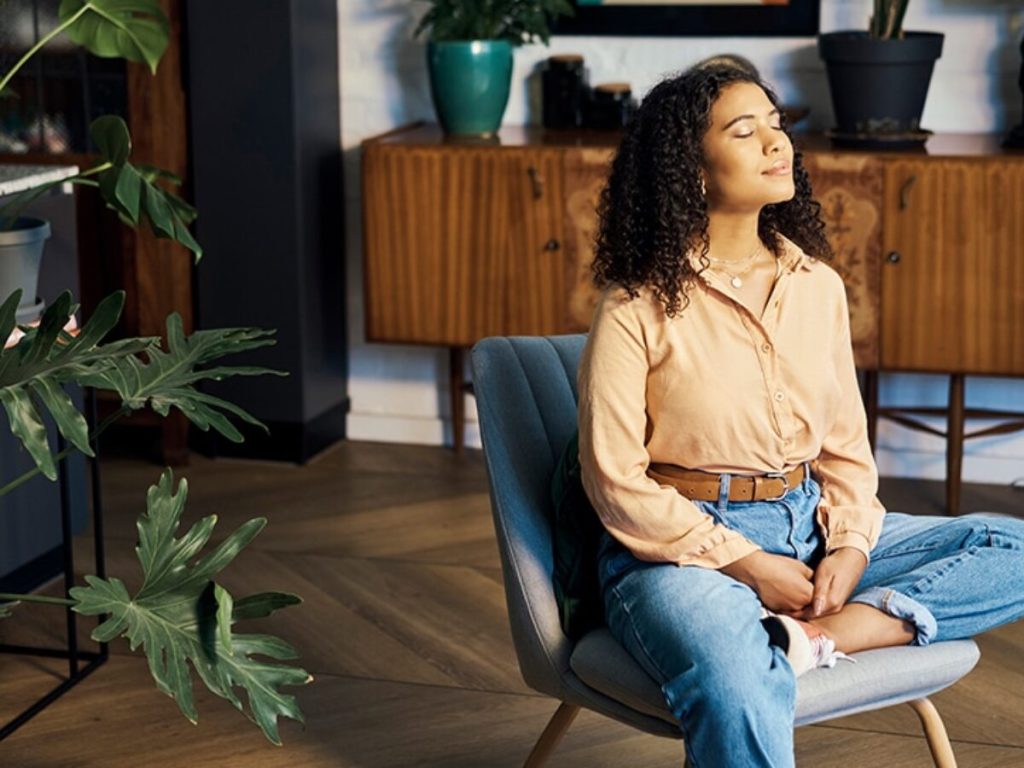
Prepare to explore practical tips and strategies that can elevate both your environment and state of mind. Whether it’s dedicating a few minutes each day to decluttering or experimenting with new design concepts, the path toward a mindful space can significantly improve your mental clarity and emotional health.
DIVE DEEPER: Click here to learn more about essentialism
The Impact of Clutter on Mental Clarity
Understanding the profound effects that clutter can have on our mental health is a critical step toward embracing mindful living. Numerous studies reveal that clutter can have a negative impact on cognitive function and emotional well-being. According to a study published in the Journal of Environmental Psychology, individuals who navigate cluttered environments often experience a sense of fatigue, as their brains are persistently processing the chaos around them. This mental strain can lead to decreased productivity, impaired decision-making, and increased anxiety.
To fully appreciate the significance of organized physical spaces, it’s essential to recognize how our brains respond to our environments. A cluttered space can lead to distractions, causing mental overload and hindering our ability to focus effectively. In contrast, when our physical spaces are organized, we often notice an immediate improvement in our mood and productivity levels. Here are some notable effects of maintaining an organized space:
- Improved Focus: A tidy environment allows for fewer distractions, enabling better concentration on tasks at hand.
- Enhanced Creativity: An orderly space fosters freedom of thought, allowing creativity to flow. Studies indicate that individuals in clean, organized environments are more likely to think outside the box.
- Stress Reduction: Reducing clutter can lead to diminished feelings of anxiety and overwhelm. A clear environment often promotes a clear mind.
- Increased Motivation: Taking the time to maintain an organized space can create a sense of achievement and motivation, promoting a proactive mindset.
Navigating the Minimalism Movement
The rise of minimalism emphasizes the psychological benefits of crafting purposeful and serene living environments. Notable figures in the organization and decluttering field, like Marie Kondo, encourage individuals to only retain items that “spark joy.” This philosophy aligns closely with the tenets of mindful living, where intention and awareness intersect. By decluttering our homes and offices, we not only create more physical space but also mentally and emotionally liberate ourselves from the burdens of excess belongings.
In the United States, the minimalism trend has gained substantial popularity, with many individuals embracing the idea that less is more. Documenting personal journeys through blog posts, podcasts, and documentaries, many people share their transformative experiences achieved by simplifying their lives. This via of being intentional about the things we surround ourselves with extends beyond possessions—it includes the animals, relationships, and experiences we invite into our lives. Cultivating an intentional approach to our surroundings can lead to increased joy, reduced stress, and an overall greater sense of well-being.
As we continue our exploration of mindful living and its relationship to our environments, it becomes clear that fine-tuning the spaces we occupy is a direct pathway to enhancing our mental health. By implementing practical strategies for organization and consciously curating our physical spaces, we create a sanctuary that fosters clarity, emotional balance, and a deeper connection to our lives.
| Advantages | Description |
|---|---|
| Enhanced Focus | Minimalist environments reduce distractions, allowing for greater concentration on tasks, which is vital for promoting mindful living. |
| Reduced Anxiety | An organized space contributes to a sense of order, significantly alleviating feelings of stress and anxiety, supporting overall mental well-being. |
| Improved Mood | A tidy and aesthetically pleasing environment can promote positivity, enhancing one’s mood and encouraging a healthy state of mind. |
| Boosted Productivity | Clear, organized spaces allow for better workflow and efficiency, ultimately aiding in achieving personal and professional goals. |
In addition to the key advantages listed above, it is essential to understand the deeper connection between organized physical spaces and maintaining emotional balance. Cultivating environments that reflect tranquility can directly impact our psychological state by fostering a sense of control and calm. The impact of a clutter-free home or workspace cannot be overstated; it serves not just to declutter our physical world but also our minds, making way for clarity and creativity. By investing time in organizing our surroundings, we pave the way for a more reflective and intentional way of living, essential for navigating the complexities of daily stressors and enhancing mental health resilience.
LEARN MORE: Click here to enhance your productivity
The Role of Environment in Fostering Mindful Practices
Our physical surroundings are more than mere backdrops to our daily lives; they actively shape our emotional and psychological landscapes. Engaging in mindful living means being aware of our environments and how they influence our mood and actions. Research from the Environmental Design Research Association highlights that well-organized spaces can foster mindfulness by promoting a sense of calm and clarity. When we create environments free from clutter, we inadvertently set the stage for a more intentional way of living.
In workplaces, for instance, an organized desk, natural light, and plants can notably enhance employee productivity and morale. According to a survey by Steelcase, workers in well-designed offices reported a 32% higher sense of well-being. Companies like Google and Apple understand these principles and prioritize creating open, visually appealing spaces to spark creativity and innovation. By embracing the concept of mindful design, they encourage employees to thrive, illustrating the connection between organized spaces and overall mental health.
Creating Spaces That Support Mindfulness Practices
Integrating mindfulness practices into our daily routine can also be enhanced by our physical spaces. Designing areas designated for relaxation or meditation functions as a cue for our minds to shift into a state of tranquility. Simple strategies can transform an ordinary room into a sanctuary of peace:
- Dedicate a Space: Create a specific corner in your home for mindful activities. This could be a reading nook, a meditation corner, or even a small indoor garden. The key is to keep this area free from distractions and clutter.
- Natural Elements: Incorporate natural elements like plants, water features, or natural lighting. A study conducted by the University of Queensland demonstrated that interacting with nature significantly boosts mood and fosters feelings of serenity.
- Mindful Décor: Surround yourself with items that inspire joy and positivity. Artwork, plants, or even color schemes that align with your personal preferences can uplift your mood and encourage a mindful atmosphere.
- Digital De-Clutter: In a world dominated by technology, organizing digital spaces such as desktops, emails, and apps is equally vital. Setting aside time to tidy your digital environment can reduce distractions, helping maintain focus and peace of mind.
Moreover, fostering mindfulness extends beyond our homes. Community spaces and public areas can also reflect the principles of mindful living. Parks and natural reserves provide vital havens of tranquility amidst urban chaos. Initiatives to create organized and clean public spaces contribute to the collective mental well-being. According to the American Psychological Association, green spaces in urban environments are linked to lower stress levels, better moods, and increased community connectedness.
Mindful Living Through Organization: A Personal Journey
Transitioning to a more mindful way of living, fueled by organized physical spaces, is a personal journey that requires reflection and intention. Embracing the practice of journaling can be an impactful tool as you examine your relationship with your environment. Documenting thoughts and feelings about clutter, organization, and your emotional state fosters self-awareness, illuminating areas for change.
As individuals and communities recognize the critical connections between organized physical spaces and mental well-being, the movement towards mindful living will likely grow. Whether through personal transformation or community initiatives, this collective effort is moving towards a future where mental well-being is prioritized, cultivated, and cherished.
DISCOVER MORE: Click here to learn how essentialism shapes your decisions
Understanding the Connection Between Mindful Living and Organized Spaces
Engaging in mindful living requires a deeper awareness of our surroundings and the effects they have on our mental health. Our physical environment can influence both our emotional states and our productivity. Research has shown that clutter can lead to increased stress levels and a lack of focus, while organized spaces can foster peace and clarity. For instance, studies conducted by psychologists at UCLA have indicated that individuals in tidy, well-arranged spaces report lower levels of stress and anxiety. This highlights the need for intentional arrangement of both our immediate surroundings and our workspaces.
One practical way to foster this sense of calm is to create dedicated spaces for reflection or relaxation within our homes. Setting aside a corner with comfortable seating, soft lighting, and perhaps a few plants can invite moments of peace amidst a busy day. Incorporating natural elements, such as plants or natural light, not only enhances aesthetic appeal but also contributes positively to our well-being. The biophilic design approach, which emphasizes human-nature connections, has been shown to improve mood and cognitive function. Therefore, introducing greenery or outdoor views can significantly uplift the spirits of those who inhabit these spaces.
The Benefits of Digital Organization
In today’s fast-paced world, digital organization is equally important for maintaining a mindful lifestyle. An uncluttered digital workspace can streamline our tasks and reduce cognitive overload. Organizing files into labeled folders, minimizing desktop clutter, and even designing a simplistic email layout can prevent overwhelm and encourage productivity. The act of clearing one’s digital space encourages mindfulness by prompting individuals to prioritize what is truly necessary, moving away from mindless scrolling and distraction.
The Broader Impact of Organized Spaces
Not only do these principles promote personal peace, but they also have a far-reaching impact within workplaces and community settings. Organizations that invest in creating inviting, organized environments often see enhanced employee satisfaction and performance. A study from the University of Exeter found that employees are 17% more productive in well-designed spaces. This motivates businesses to adopt mindful design practices that can foster collaboration and innovation.
As we collectively prioritize mental health in society, let’s remember that mindful living is not just a personal journey but a communal one. Embracing the principles of organized spaces leads to stronger connections and support among community members. By engaging in this holistic approach, we can pave the way for environments where well-being, intentional living, and mindfulness are celebrated. Ultimately, embracing the transformative power of organization can create a positive shift in our daily experiences and interactions with others, allowing us to lead more fulfilling lives.