How Space Optimization Can Transform Small Apartments into Functional and Minimalist Homes
Creating Functionality in Cozy Environments
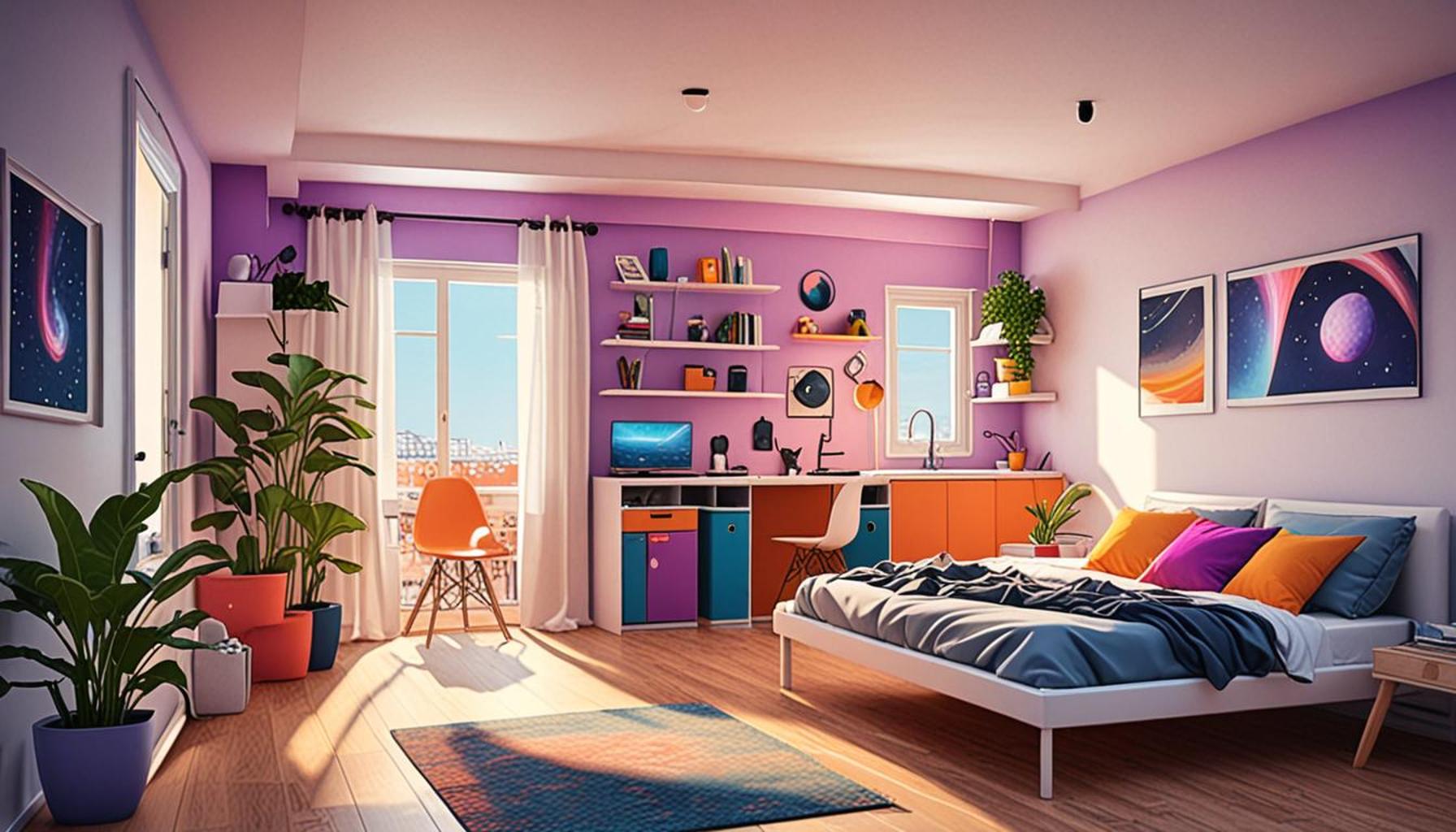
As urban living becomes increasingly popular, many people find themselves residing in small apartments. These compact living spaces can often feel cramped and limiting, challenging individuals to rethink their layout and decor. However, within these constraints lies a remarkable opportunity for creativity and innovation.
Space optimization is not just a trend; it’s a necessity in modern apartments where every square inch counts. By employing various strategies, individuals can transform their limited square footage into practical and stylish environments. Here are some powerful concepts to consider:
- Utilizing multifunctional furniture: Furniture that serves more than one purpose can significantly reduce clutter while maximizing utility. For example, a sofa bed allows a living area to double as a guest room, while ottomans with hidden storage can serve as seating and keep items organized. Look for pieces that can fold or adjust, such as drop-leaf tables that expand for dining and collapse when not in use.
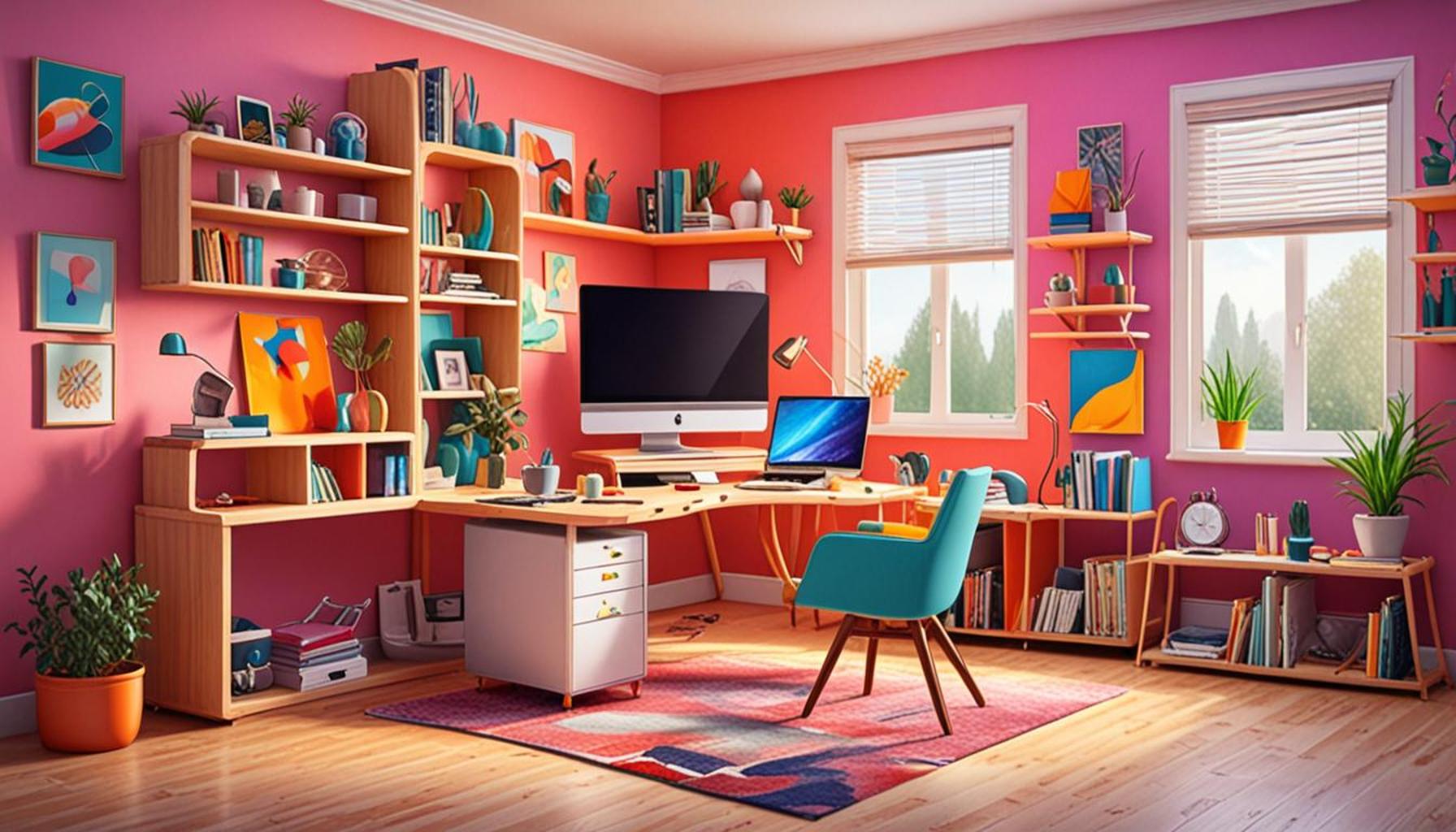
- Implementing vertical storage solutions: In a small apartment, the floor space can quickly become overwhelmed with belongings. Vertical storage, such as wall-mounted shelves, helps draw the eye upward, creating the illusion of more space. Armstrong cork wall tiles or open shelving units not only provide ample storage options but also allow for personal decor to be on display, infusing the space with personality.
- Embracing a minimalist aesthetic: Adopting a minimalist approach encourages individuals to curate their belongings carefully. This doesn’t mean sacrificing personality; rather, it promotes thoughtful purchases and eliminating anything that doesn’t serve a purpose. By focusing on a few key decor pieces—like a statement artwork or a unique houseplant—residents can create a calm, uncluttered environment that feels more expansive.
Each of these elements plays a vital role in creating a harmonious living space. The results can enhance not only the apartment’s functionality but also the overall quality of life for its residents. Studies show that an organized environment can lead to decreased stress levels and increased productivity, validating the importance of efficient design.
With clever arrangements and smart designs, a small apartment can evolve into a sanctuary rather than a burden. By understanding the principles of space optimization, residents can experiment and explore how careful planning can make even the tiniest of homes feel spacious and inviting. Whether it’s a chic studio in New York City or a cozy flat in San Francisco, transforming small spaces into livable and enjoyable areas is achievable for anyone willing to think outside the box.
EXPLORE MORE: Click here for insights on cultivating gratitude and simplicity
Strategies for Maximizing Space Efficiency
Transforming small apartments into functional and minimalist homes requires a strategic approach that combines creativity with practicality. One of the most effective methods to achieve this is by implementing a variety of space-saving techniques that cater to both aesthetics and functionality. Below are some essential strategies that can breathe new life into even the most compact living spaces:
- Incorporating Built-In Solutions: Built-in furniture, such as bookshelves or benches, that seamlessly integrate into walls can free up precious floor space while providing additional storage. This not only optimizes square footage but also offers a clean, streamlined look that enhances the minimalist feel of an apartment. Consider investing in custom cabinetry or modular units that fit perfectly within existing niches.
- Adopting Foldable and Stackable Items: Foldable chairs and tables can be easily stored away when not in use, allowing residents to reclaim their living space. Stackable shelves or containers also offer flexibility, making it easier to adjust the layout as needed. These versatile items make it simple to adapt to different occasions, whether hosting guests or enjoying a quiet evening alone.
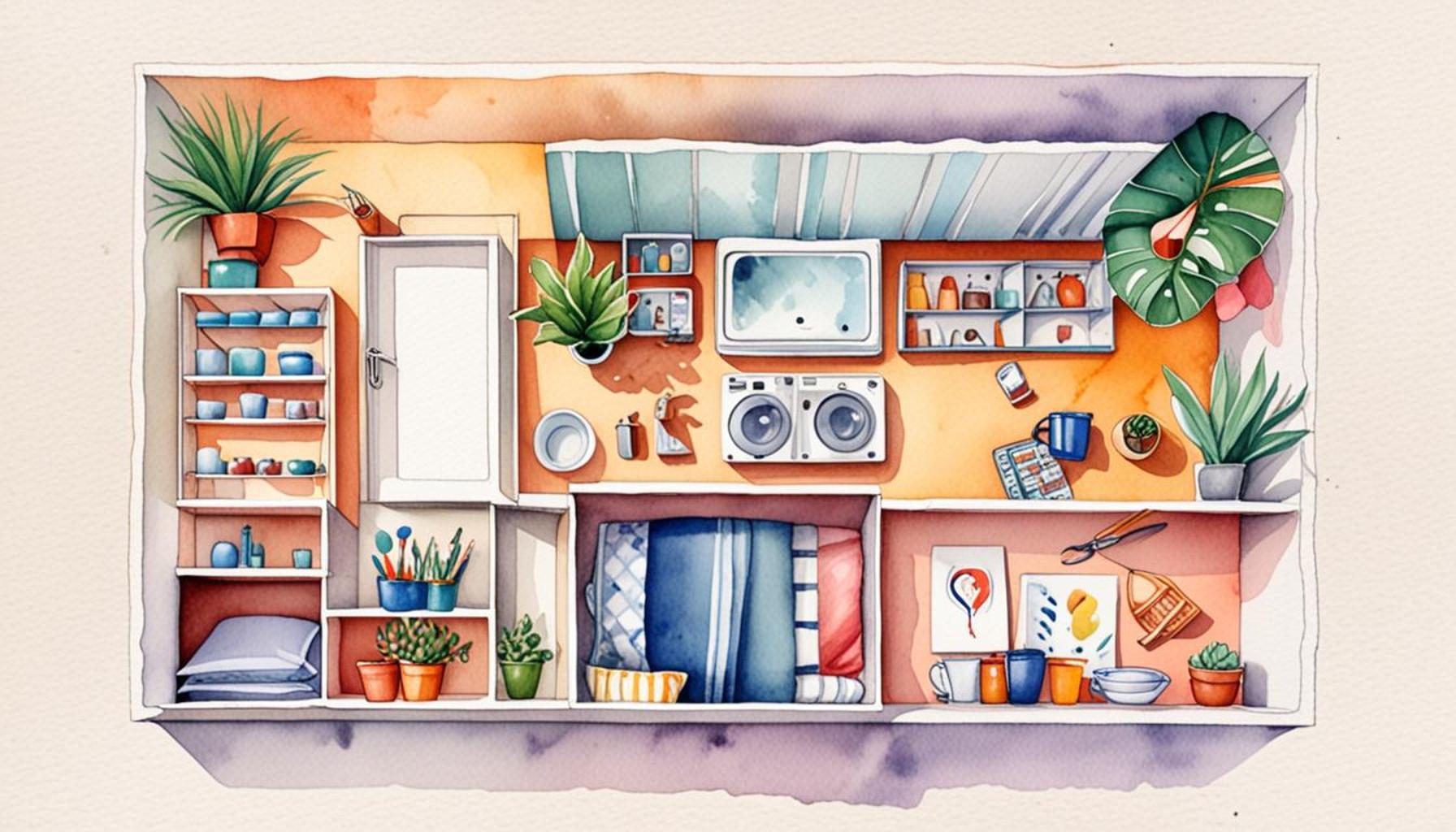
- Creating Zoning Areas: In a small apartment, distinguishing between different functional areas can enhance organization and declutter. Use rugs, furniture arrangement, or curtains to visually separate sleeping, living, and working spaces. This division can make an apartment feel more expansive and purposeful, allowing individuals to enjoy various activities without feeling cramped.
- Choosing Light Colors and Transparent Materials: Painting walls in soft hues or using transparent materials for furniture can create an illusion of space. Light colors reflect natural light, making rooms appear brighter and larger, while glass or acrylic furnishings can diminish visual bulk. Implementing these choices can elevate the overall ambiance and promote a minimalist design ethos.
These strategies not only aim to improve space utilization but also create an environment that aligns with the principles of minimalist living. According to a survey by the National Association of Realtors, nearly 85% of home buyers reported a preference for open spaces over closed layouts. This trend illustrates the growing importance of spaciousness in urban living, even if the actual square footage is limited.
Furthermore, the psychological benefits associated with organized, multifunctional spaces cannot be understated. Research indicates that a decluttered environment fosters clarity and enhances focus, making small apartment living a possible haven for productivity and relaxation.
By embracing these innovative techniques, residents can reshape their compact homes into practical retreats, maximizing both aesthetics and function. Whether it’s through custom solutions or selecting the right furnishings, space optimization can indeed lead to a more enjoyable living experience in today’s bustling urban landscapes.
| Space Optimization Techniques | Benefits for Small Apartments |
|---|---|
| Multifunctional Furniture | Saves space while providing flexibility in functionality; e.g.,: Sofa beds and foldable tables. |
| Vertical Storage Solutions | Utilizes wall space effectively for storage; enhancing accessibility and decluttering the floor area. |
| Open Floor Plans | Creates an illusion of more space, improves flow, and allows for better light distribution. |
| Hidden Storage Compartments | Keeps belongings out of sight, contributing to a minimalist aesthetic while maximizing functional space. |
Maintaining order in small living spaces is essential for both function and style. Employing space optimization techniques can turn any small apartment into a well-organized haven that exhibits a minimalist charm. Each of the featured strategies not only serves practical needs but also contributes to an overall ambiance that emphasizes tranquility and functionality.For instance, multifunctional furniture, such as versatile sofas that convert to beds or coffee tables that extend to dining sizes, can significantly reduce the amount of clutter and maximize utility. Similarly, designing spaces with vertical storage solutions — think of shelving that reaches the ceiling — encourages homeowners to utilize every square inch efficiently. Additionally, open floor plans create a spacious feeling while allowing natural light to permeate the entire area, enhancing the visual appeal of compact rooms. Integrating hidden storage compartments into furniture can help conceal belongings, securing a tidy look that fosters calm and comfort. These techniques underscore how intentional design can transform small spaces into functional and aesthetically pleasing homes.
DIVE DEEPER: Click here to simplify your space
Innovative Design Techniques for Small Spaces
As urban living continues to evolve, the demand for small apartments has skyrocketed. Consequently, innovative design techniques have emerged to not only make these spaces more functional but also to enhance their aesthetic appeal. One such approach is the concept of multi-functional furniture, which is designed to serve several purposes. For instance, a sofa that converts into a bed or an ottoman that doubles as storage eliminates the need for extra items while maintaining convenience. This approach reduces clutter while providing a practical solution for space constraints, aligning perfectly with a minimalist philosophy.
Moreover, the use of vertical space cannot be overstated. Utilizing vertical storage solutions like wall-mounted shelves, overhead cabinets, and tall bookcases can turn an apartment’s walls into valuable storage areas. According to the American Institute of Architects, over 60% of architects reported that they focus heavily on creating vertical elements in their designs, particularly in small residences. By drawing the eye upward, these designs not only optimize space but create an illusion of higher ceilings and greater expansiveness.
Another transformative strategy is the incorporation of smart home technologies that help keep small spaces organized and efficient. Smart devices such as automatic lighting, temperature control, and intelligent organization tools can be wise investments to create a seamless living experience. For example, smart furniture can be programmed to elevate, fold, or adjust according to the time of day or activity, which enhances both functionality and comfort in compact living environments.
Rethinking the layout and flow of a small apartment is critical as well. Open floor plans have gained immense popularity as they create a sense of airiness and eliminate barriers that can make a space feel confined. Creative uses of room dividers, such as thin bookshelves or decorative screen panels, can manage to segment spaces without completely isolating them, thus maintaining an open and airy feel while also serving a decorative purpose. Real estate data suggests that homes with open layouts sell 12% faster than others, highlighting the appeal of such designs in urban markets.
Investing in modular furniture is another fantastic way to adapt to changing needs over time. Modular designs allow homeowners to customize their living arrangements easily, accommodating everything from hosting guests to working from home. For instance, modular sofas can be rearranged into different configurations, and adjustable desks can transition from standard to standing positions, catering to various lifestyle preferences while maintaining minimalism.
Lastly, enhancing natural light through design choices such as mirrors, translucent partitions, and strategic window treatments can create an inviting and expansive atmosphere. Studies show that natural light not only uplifts moods but can also positively impact productivity, making small spaces not just livable but enjoyable. As urban dwellers seek refuge and solace within their homes, maximizing their surroundings through these design techniques can fundamentally transform the way they experience and appreciate their living spaces.
DISCOVER MORE: Click here for tips on maximizing space
Conclusion
In conclusion, the art of space optimization is revolutionizing the way we perceive small apartments, transforming these compact living environments into functional and minimalist homes that cater to modern life’s demands. By embracing multi-functional furniture, homeowners can streamline their belongings while enhancing comfort and style. The strategic use of vertical storage not only maximizes available space but also contributes to a more open and airy feel, crucial in urban settings where square footage is at a premium.
Additionally, the integration of smart home technologies offers further convenience, allowing residents to maintain organization efficiently while adapting their spaces according to changing needs. The popularity of open floor plans is indicative of a wider shift toward creating versatile living areas that resonate with minimalist principles and facilitate improved social interaction.
Moreover, the appeal of modular furniture lies in its ability to evolve with the homeowner’s lifestyle, reflecting a broader trend towards adaptability and personalization in small spaces. As design techniques continue to progress, enhancing natural light remains key to creating uplifting atmospheres that inspire positivity and productivity.
Ultimately, optimizing small apartments is not merely about fitting more into less; it is about redefining what home means in urban contexts. As we continue to explore innovative solutions in space design, there is immense potential to elevate the living experience, allowing individuals and families to flourish in spaces that are not just manageable but genuinely enjoyable. The journey towards achieving a functional and minimalist home is an ongoing exploration, inviting us to rethink our dwellings one ingenious design at a time.