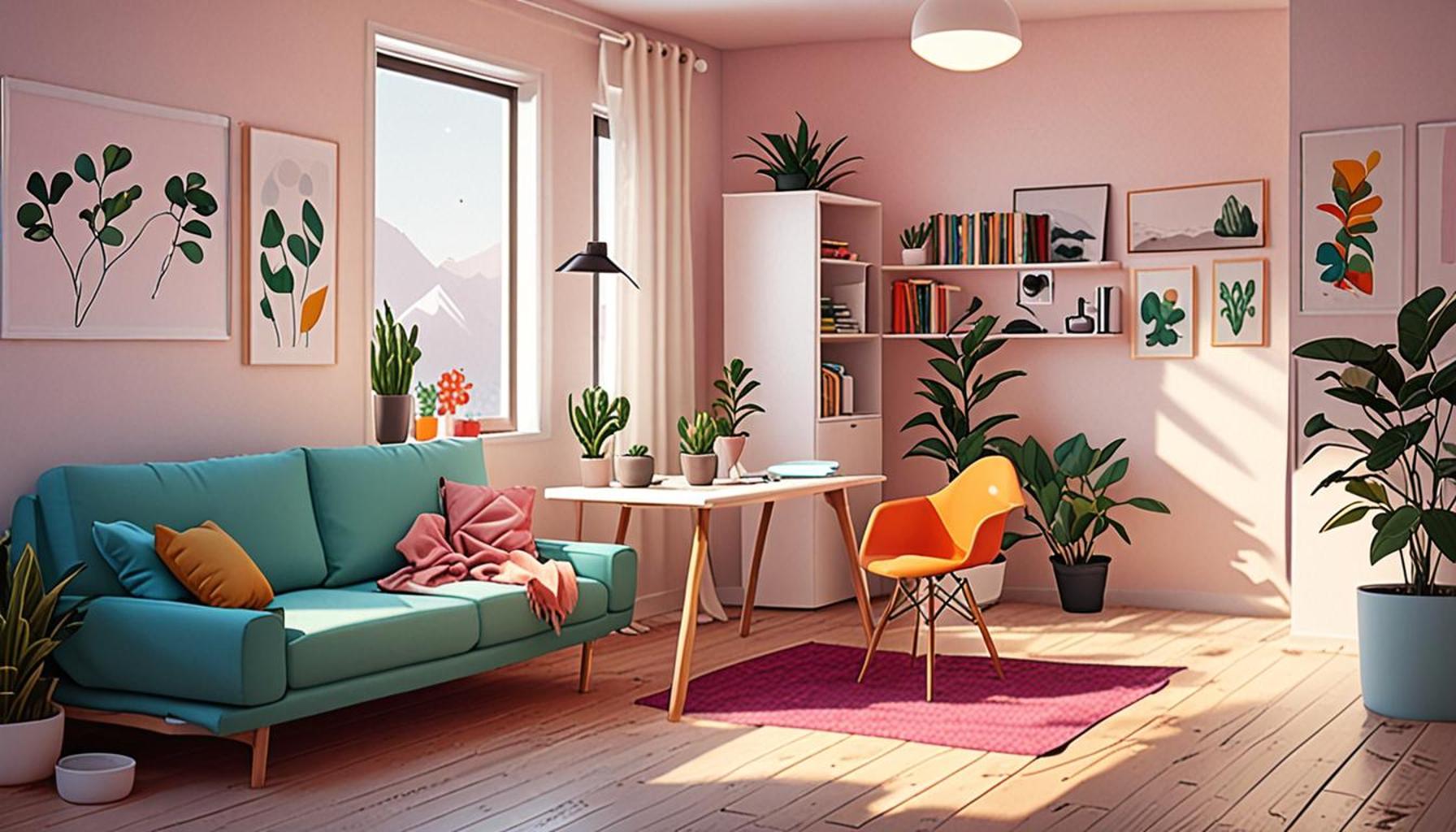
Space Optimization for Family Living: Balancing Minimalism with Shared Areas
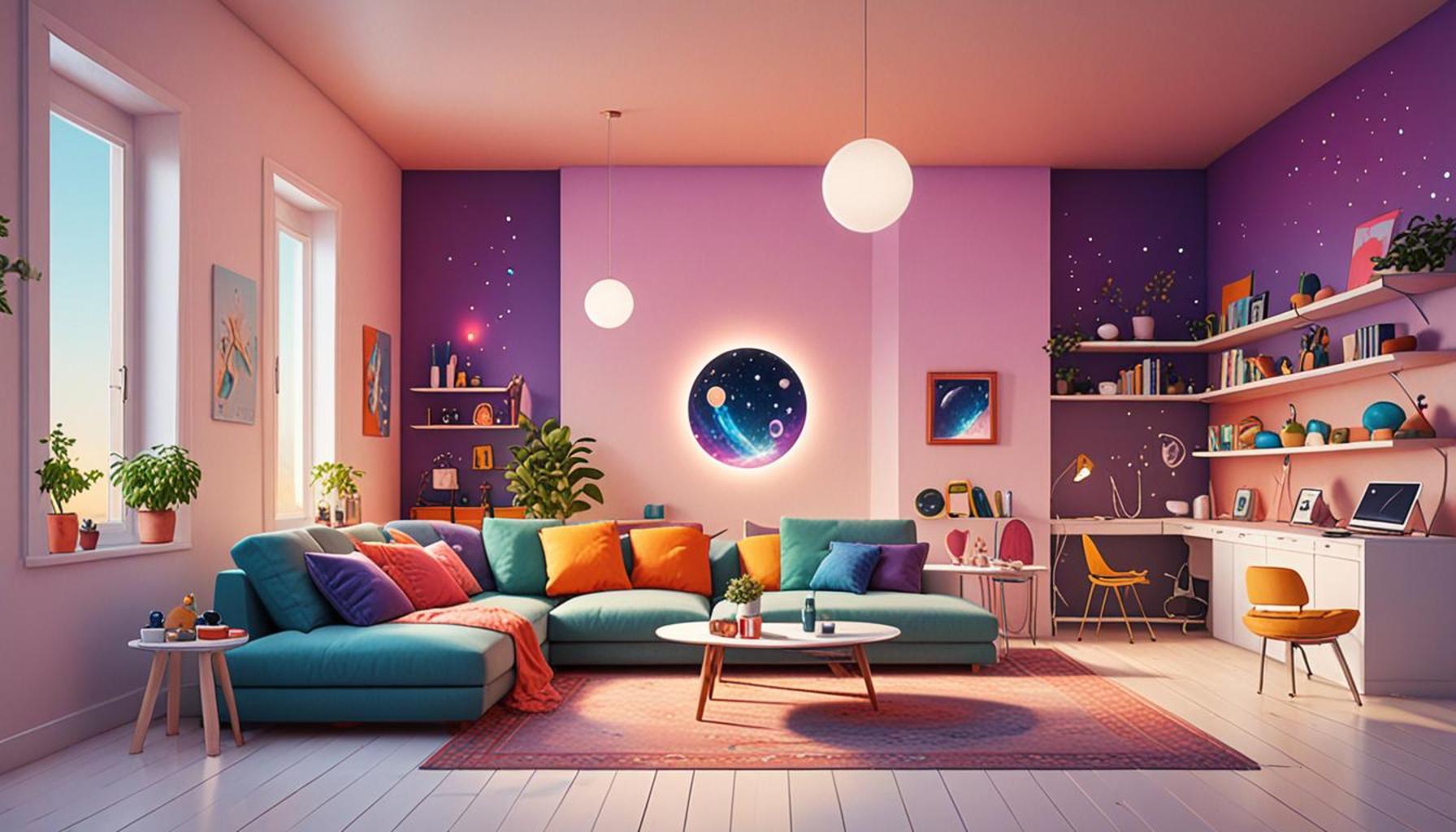
Finding Harmony in Compact Spaces
In today’s fast-paced world, space optimization has become essential for families navigating the complexities of modern living. As homes shrink while family sizes remain constant, the demand for innovative solutions to balance minimalism with the practicality of shared areas is more crucial than ever. With urban areas becoming increasingly dense, and the popularity of smaller homes and apartments on the rise, how can families create spaces that feel larger and more functional?
Consider the following notable aspects of space optimization:
- Multi-functional furniture: Pieces that serve multiple purposes can dramatically enhance usability. For instance, a sofa bed can easily transform a living room into a guest space without requiring additional square footage. Similarly, a storage ottoman can provide seating while also acting as a place to store blankets or toys, thus keeping the area tidy. Brands such as IKEA have excelled in this niche, offering a plethora of versatile furniture designed for compact living.
- Shared living environments: Open-concept layouts that encourage interaction while maximizing space efficiency are becoming increasingly popular. Designing spaces where the kitchen, dining, and living areas converge not only fosters communication but also creates a seamless flow, making the area feel more expansive. For example, a kitchen island can serve as a cooking area, a dining table, and a social hub for family gatherings, thereby enhancing family bonds.
- Vertical storage solutions: Utilizing wall space for shelving and cabinets frees up vital floor space, making it easier to maintain order. High shelves can store infrequently used items, while lower shelves can be tailored for everyday access. Brands like Container Store and Wayfair regularly provide inspiration for homeowners looking to maximize their vertical capabilities, showcasing how well-designed storage can transform an ordinary room into a sanctuary of organization.
Families are discovering strategies that not only declutter their homes but also create serene environments where everyone can thrive. Techniques such as the “KonMari Method” of tidying, popularized by Marie Kondo, emphasize the importance of keeping only items that “spark joy,” leading to a more peaceful living space. By integrating solutions like those above, household members can live with less while enjoying shared experiences, fostering a sense of community and harmony within their homes.
As we delve deeper into two essential themes—minimalism and shared areas—let us explore practical tips and insights into creating an inviting and functional family space. Considering factors such as the color palette, choice of materials, and incorporation of greenery can significantly impact the aesthetics and tranquility of your living areas. These elements can ensure that family dynamics are harmoniously maintained, allowing every member to feel comfortable, inspired, and at home.
DIVE DEEPER: Click here for valuable tips
Minimalism Meets Functionality
As families embrace the idea of minimalism, the focus shifts towards essentialism—prioritizing utility without sacrificing comfort. Emphasizing quality over quantity, minimalism encourages families to let go of unnecessary items, thus making room for what truly matters. This mutually beneficial relationship between minimalism and space optimization nurtures environments that foster creativity, connection, and ease of living.
One key aspect of minimalism is the intentional selection of household items. Rather than cluttering shared spaces with an array of decorative pieces, families can opt for a few carefully chosen items that resonate with their values. For example, a single piece of art that inspires conversation can serve as both a focal point and a reflection of a family’s collective identity. Incorporating neutral color palettes further enhances this effect, creating a sense of calm and cohesion throughout the living space.
Strategies for Effective Space Utilization
To effectively balance minimalism and shared areas, families can employ several strategic approaches:
- Designated Zones: Clearly defined zones can help in managing activities within a shared area. By designating specific places for reading, playing, or crafting, families can maintain order while ensuring each member has a space catered to their needs.
- Smart Layout Planning: Understanding the flow of daily routines can aid in planning furniture arrangement. Placing easily accessible items within reach of all family members can minimize disruptions and foster independent engagement, particularly among children.
- Embrace Vertical Dividers: Utilizing tall bookshelves or open shelving units as dividers can create separate areas within a larger room, effectively optimizing space. This allows for distinct family functions while maintaining the open feel of a shared area.
Technological advancements have also played a vital role in enhancing space optimization. Smart home devices offer seamless integration of functionalities, from lighting to temperature control. For instance, a programmable thermostat can ensure a comfortable environment while conserving energy, aligning perfectly with a family’s minimalist ethos.
Moreover, families are increasingly turning to sustainable materials and multi-functional systems. Choosing furnishings made from reclaimed wood or eco-friendly materials not only aligns with a minimalistic lifestyle but also reduces the overall footprint of the home. Utilizing modular furniture that can adapt to different situations—such as expandable dining tables or stackable chairs—makes for a harmonious blend of practicality and style.
Acknowledging the significance of shared spaces, families can transform their homes into sanctuaries where everyone feels valued. By integrating a minimalist approach, families can cultivate an environment that encourages collaboration and connection, ultimately maximizing both functionality and satisfaction. As we delve further into practical tips and renowned techniques, the subsequent sections will provide actionable insights for setting up a space that embodies these principles.
| Advantages | Details |
|---|---|
| Enhanced Space Utility | Using multi-functional furniture helps families maximize every inch of their living area, thus promoting a clutter-free environment. |
| Encouragement of Family Interaction | Open layout designs create shared spaces that prompt family members to engage, fostering connection and collaboration in daily activities. |
| Promotes a Stress-Free Environment | Minimalist decor and well-organized areas can significantly reduce stress, making home life more enjoyable and less overwhelming. |
| Flexibility in Space Design | Adaptable layouts allow families to change spaces based on their evolving needs, addressing functionality while maintaining visual appeal. |
The principles of space optimization for family living do not merely enhance the aesthetic appeal of a home but embody a thoughtfully-designed philosophy tailored for better living experiences. Families often face challenges in maintaining harmonious environments due to limited spaces; however, the strategic implementation of minimalism alongside shared areas can lead to harmonious coexistence. By focusing on practical solutions and innovative design, families can transform their homes into refuges of peace and mindfulness. Further exploration into trends like biophilic design and the integration of sustainable materials can also yield additional benefits, enriching family life while promoting a better connection to nature within domestic settings.
DISCOVER MORE: Click here to delve deeper
Pioneering Organizational Solutions
As families navigate the journey towards a minimalist lifestyle, effective organization is imperative for maximizing shared areas. Families can employ innovative organizational systems that not only enhance functionality but also embody the minimalist philosophy. By prioritizing streamlined storage solutions, families can significantly reduce clutter, allowing for open spaces that invite relaxation and interaction.
Multi-functional furniture is a cornerstone of space optimization. Furniture such as ottomans with hidden compartments, or sofa beds, can adapt to different scenarios, whether it’s extra seating for guests or a game night transformed into a restful sleeping area. According to the American Institute of Architects, multi-use spaces in homes are increasingly being sought after, with families wanting rooms that can serve various functions day and night. Adopting such flexible furniture can seamlessly blend different aspects of family life while adhering to minimalist principles.
Decluttering as a Collaborative Family Activity
Moreover, the act of decluttering can become a valuable team-building experience for families. Instead of viewing it as merely a chore, families can make a game out of sorting through belongings together. Setting aside an afternoon to go through toys, clothes, and other possessions can yield surprising results, both in terms of relational bonding and creating a more functional living environment. Research shows that involving children in the decision-making process regarding their possessions builds ownership and responsibility, immensely benefiting the family dynamics.
Establishing organizational systems tailored to specific areas can also provide clarity and peace of mind. For example, creating a “family command center” at the entrance with hooks for bags, a calendar for scheduling, and bins for sorting mail can streamline daily activities and prevent chaos. Additionally, utilizing wall-mounted organizers or magnetic strips in shared areas transforms vertical space into functional storage while avoiding the usual pitfalls of horizontal clutter.
Creating Adaptable Shared Spaces
Families can reimagine shared spaces by embracing adaptability. For instance, using sliding partitions can allow rooms to be reconfigured depending on the time of day or specific events. A living room can transform into a play area during the day, and at night, it can revert back into a cozy space for gatherings. According to the National Association of Home Builders, homeowners increasingly prefer open floor plans that can easily be adapted for both communal and private activities, which speaks to the growing trend of adaptable family living environments.
Furthermore, a minimalist approach to décor can enhance space utilization in shared areas. Parents can encourage creativity by showcasing children’s artwork on rotating display boards or walls, removing the need for excessive frames while allowing the space to feel personal and lived-in. This approach not only acknowledges children’s contributions but fosters a sense of pride and ownership in the environment.
As families continue to explore the balance between function and aesthetics, the synergy of minimalism and organization becomes evident. The culmination of thoughtful design, smart furniture choices, and a commitment to decluttering creates shared spaces that are not only pleasing to the eye but also conducive to a harmonious family life. By implementing these strategies, families can optimize their homes without sacrificing style, resulting in an enriching living experience for all.
DISCOVER MORE: Click here to learn about cultivating gratitude and simplicity
Conclusion
In today’s fast-paced world, the pursuit of a minimalist lifestyle within family living spaces is not merely a trend, but a conscious decision to enhance functionality and foster connection. By prioritizing space optimization through smart organization and innovative design, families can cultivate an environment that promotes both harmonious living and individual expression. The implementation of multi-functional furniture and the establishment of collaborative decluttering practices can transform homes into dynamic spaces where memories are created, rather than mere storage units for possessions.
Moreover, the concept of adaptable shared spaces resonates deeply with modern household dynamics, providing the flexibility needed to accommodate various family activities. As families embrace the ethos of minimalism, they can utilize wall space creatively, engage children in the decision-making process, and curate a living environment that minimizes chaos while maximizing joy. Research indicates that such practices not only enhance aesthetic appeal but also contribute significantly to improved family relationships.
Ultimately, the journey toward balancing minimalism with shared areas is an ongoing process of reflection, collaboration, and design innovation. As families strive for a life that feels open and connected, these principles of space optimization will undoubtedly stand the test of time. For those ready to dive deeper, exploring local resources, community workshops, and even professional consultations can yield transformative insights, ensuring that their living spaces are functional yet beautifully personal as they navigate the complexities of family life.