How Minimalism Can Transform Small Spaces into Functional Environments
The Challenge of Limited Square Footage
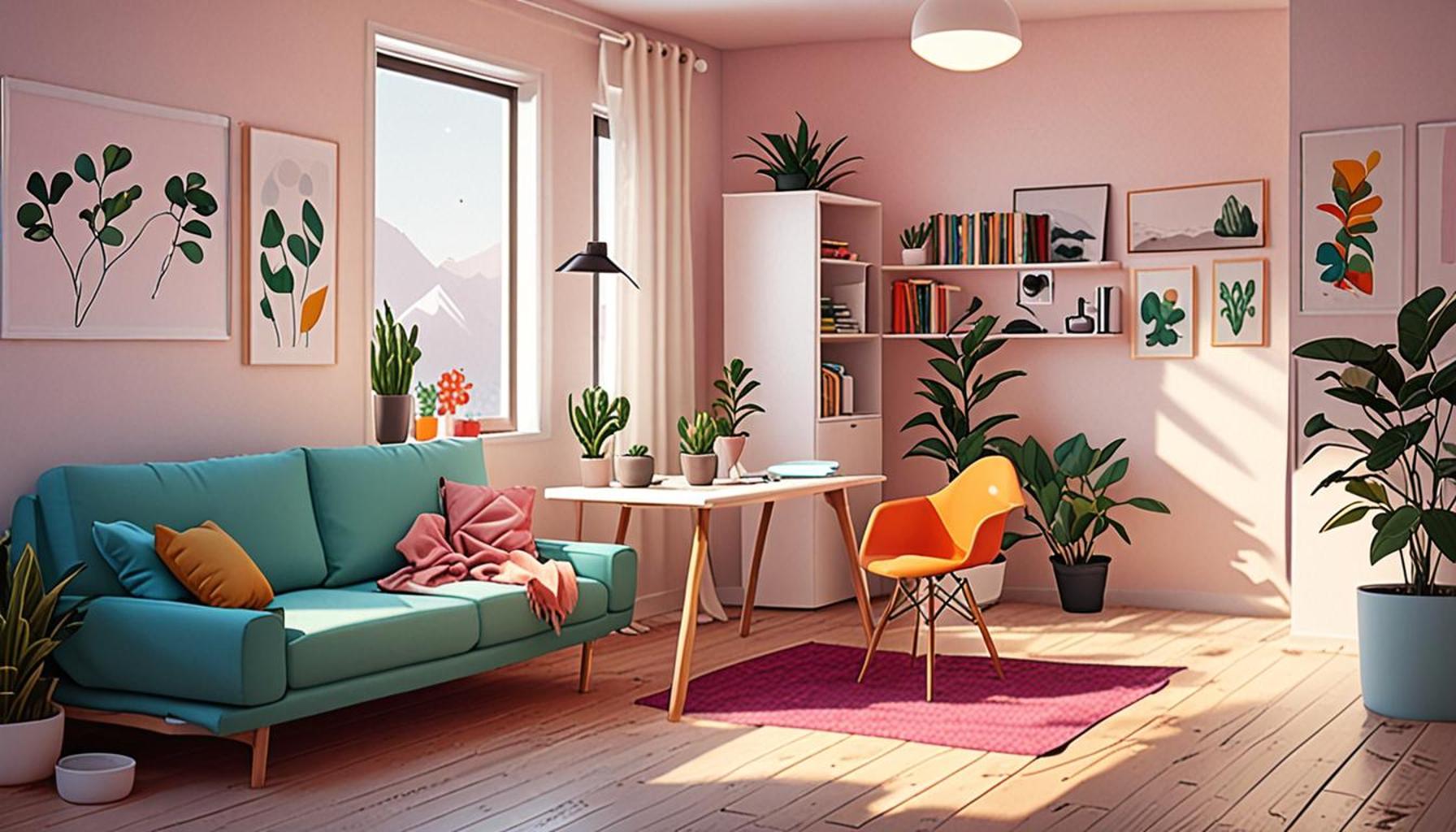
In the hustle and bustle of daily life, small spaces often pose a challenge for functionality and comfort. Limited square footage can make it seem impossible to create an effective and stylish environment. However, embracing the principles of minimalism offers a transformative solution, allowing individuals to rethink their living areas creatively and efficiently.
Understanding Minimalism
Minimalism is more than just a design trend; it’s a lifestyle choice that prioritizes simplicity and functionality. It encourages individuals to strip away excess, focusing on what truly matters. This philosophy can lead to remarkable changes in both physical spaces and mental clarity. By concentrating on essential elements, homeowners can:
- Maximize space: Fewer items mean more room to breathe. In a small apartment, strategic use of vertical storage or multi-purpose furniture can significantly free up floor space.
- Enhance organization: A decluttered space allows for better functionality. For example, utilizing under-bed storage or streamlined shelving can create a neatly organized environment.
- Create tranquility: Minimalist design promotes a peaceful atmosphere through a thoughtful selection of colors and textures, fostering a soothing and inviting setting.
Real-World Applications
In American homes, particularly in urban areas where living space is often at a premium, adopting minimalism can prove essential. Take the example of tiny apartments in cities like New York or San Francisco—each square foot must be utilized effectively. Many residents have turned to innovative solutions such as Murphy beds, modular furniture, and built-in storage to maximize their living areas without sacrificing style.
Moreover, the popularity of shared living spaces—such as co-living arrangements—reflects a growing trend toward minimalistic living that emphasizes community over material possessions. In such settings, residents often share common areas and amenities, allowing them to reduce the need for individual furnishings and reinforcing the minimalist ethos of shared resources and experiences.
A Path Toward Intentional Living
By incorporating minimalist principles, homeowners can not only improve their living spaces but also cultivate a sense of freedom. This approach encourages intentional living, as every item holds meaning and serves a purpose. For instance, instead of overcrowding a room with various decorative pieces, one might choose a single striking artwork that becomes a focal point of the space.
Additionally, the mental benefits of minimalism can be profound. A clear and organized space can lead to decreased anxiety levels and increased productivity. By eliminating distractions, individuals often find it easier to concentrate on what truly matters—whether it’s work, hobbies, or spending time with loved ones. Discovering how to harness the power of minimalism can lead to unexpected improvements in both functionality and aesthetics, ultimately enriching one’s overall lifestyle.
DIVE DEEPER: Click here to transform your space
Designing with Purpose
As the trend towards smaller living spaces continues to rise in cities across the United States, the importance of designing with purpose becomes increasingly clear. In an era where urban living often means sacrificing square footage for location, the minimalist approach offers a way to create not just a home, but a sanctuary—a place where every inch counts and serves a vital role in everyday life.
The success of minimalism in small spaces lies in its core philosophy: functionality over extravagance. Rather than filling every corner with furnishings or decor, minimalist design champions the idea of thoughtfully chosen pieces that contribute to the overall utility of the space. This can be reflected in several practical applications:
- Smart Furniture Selection: Investing in furniture that serves dual purposes is key. For example, a coffee table that doubles as a storage unit or a sofa that transforms into a bed can maximize usable space without compromising style.
- Open Layouts: Walls can create visual barriers that constrict small spaces. By using open floor plans, homeowners can enhance flow and create an illusion of vastness, which adds to the feeling of spaciousness.
- Minimal Color Palettes: Utilizing neutral colors can help maintain a cohesive look throughout a small space. Soft whites, grays, and beiges can reflect light, making areas feel larger and more inviting.
In practice, this minimalist approach not only enhances the aesthetic appeal of small living spaces but also promotes efficiency. By limiting the number of items in a home, residents can ensure that everything they own serves a distinct purpose. This aspect aligns perfectly with the psychology of clutter; studies suggest that reducing visual distractions leads to improved focus and well-being.
Moreover, the essence of minimalism extends beyond aesthetics and functionality. It encourages individuals to consider their lifestyle choices more critically. By asking oneself, “Do I need this?” before acquiring new items, a deliberate selection process fosters a deeper understanding of personal values and priorities.
Simple Strategies for Embracing Minimalism
Adopting a minimalist mindset doesn’t have to be an overwhelming task. Here are some straightforward strategies that can be applied to transform small spaces into functional environments:
- Declutter Regularly: Schedule time each month to reassess belongings and eliminate items that no longer serve a purpose.
- Embrace Multi-Functionality: Look for opportunities to buy items that have more than one use, such as ottomans that serve as seating and storage or foldable desks for compact workspaces.
- Invest in Quality: Instead of accumulating quantity, spend on high-quality pieces that are both functional and aesthetically pleasing.
Incorporating these strategies can lead to a more streamlined, enjoyable living space that is not only practical but also reflective of one’s personal style. By embracing minimalism, individuals can truly transform their small spaces into environments that foster creativity, productivity, and peace of mind.
Understanding the Minimalist Approach to Small Spaces
Exploring the essence of minimalism reveals profound insights into enhancing small spaces with functionality and style. By stripping away excess, minimalism champions the idea that less truly is more. Through effective design strategies, individuals can maximize their available area while creating a visually appealing atmosphere that promotes tranquility and efficiency.
One of the pivotal aspects of minimalism is the concept of multifunctionality. Furniture and decor not only serve their primary purpose but also accommodate alternative functions, thereby saving space. For instance, a Murphy bed can transform a bedroom into a cozy living area during the day, demonstrating how adaptable design can redefine personal spaces. Furthermore, the use of modular furniture allows for easy reconfiguration, catering to evolving needs without compromising aesthetics.
Incorporating natural light also plays a crucial role in minimalist design. Light colors on walls and ceilings, combined with strategically placed mirrors, can enhance brightness and create an illusion of openness. This not only makes a small area feel larger but also instills a sense of calm and connection to the outdoors.
Storage solutions are another significant component of making small spaces functional. Cleverly designed storage options, such as under-bed drawers or built-in shelves, help maintain a clutter-free environment crucial for embracing minimalist principles. When everything has its place, the user can more easily navigate their space, encouraging a lifestyle centered on simplicity and clarity.
To further explore how minimalism can not only amplify the utility of small areas but also cultivate a peaceful living environment, let’s look at the many advantages it brings. The following table highlights key benefits that minimalism can offer as you embark on this transformative journey.
| Category | Advantages |
|---|---|
| Enhanced Functionality | Spaces become versatile, adapting to varying needs. |
| Visual Simplicity | Fosters a serene environment, promoting relaxation. |
With these insights into how minimalism can reshape the way we utilize small spaces, adopting this approach may lead to a more organized and harmonious living environment.
DISCOVER MORE: Click here to unlock the secrets of minimalism
Rethinking Storage Solutions
In small spaces, effective storage solutions are paramount to achieving a minimalist lifestyle. The challenge often lies in balancing aesthetics with utility. When space is at a premium, the need for clever storage becomes essential—not merely to stash items out of sight, but to enhance the functionality of the entire environment. Innovative storage solutions tailored for minimalism can greatly streamline living conditions, making rooms feel both organized and larger.
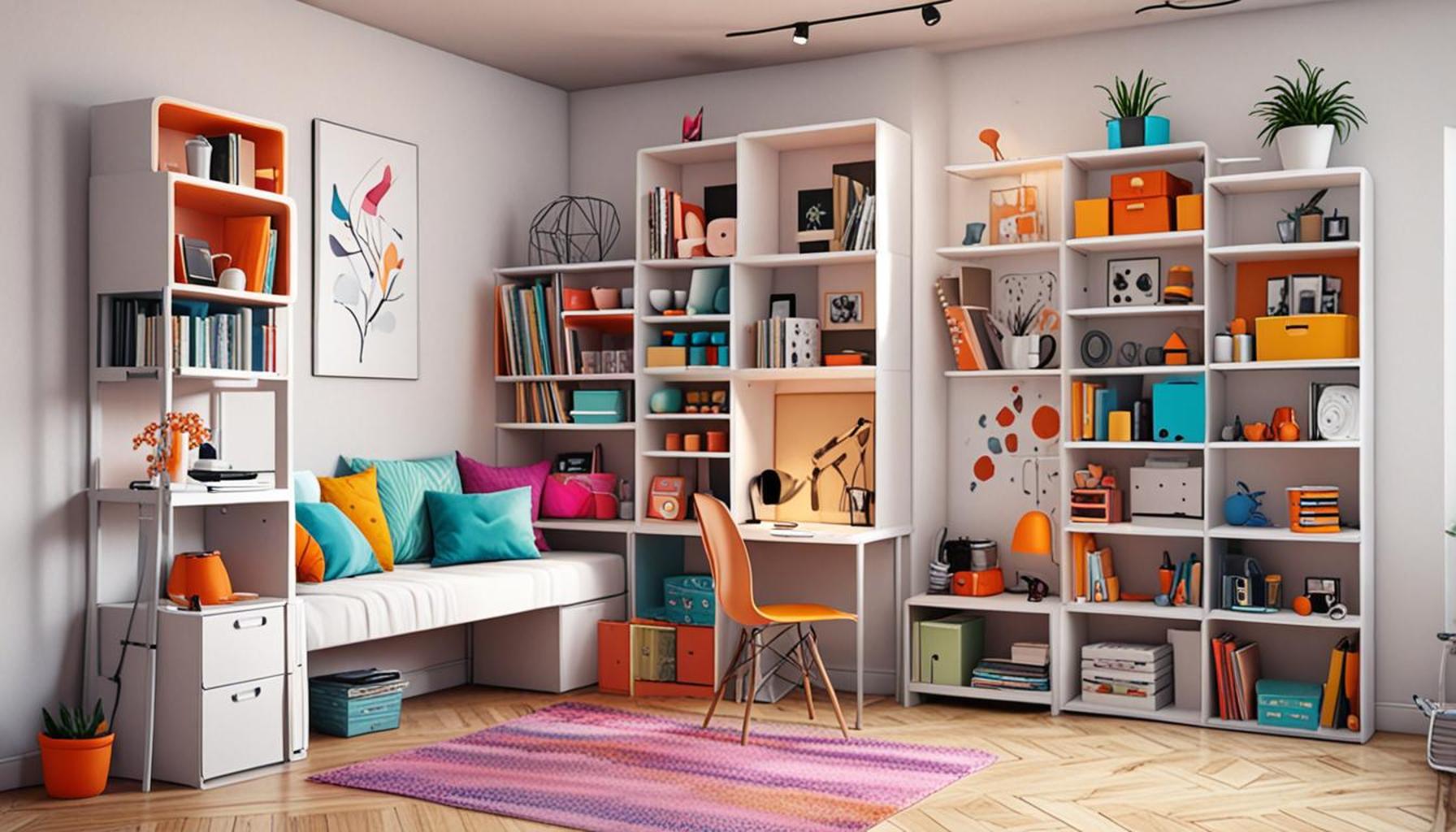
One effective approach is to utilize vertical space. Installing shelves that reach from floor to ceiling can draw the eye upward, creating an illusion of height while providing ample storage. Floating shelves are particularly useful in areas like kitchens and living rooms, enabling homeowners to display decor or store everyday items without taking up floor space. This method also encourages a tidy aesthetic, as it allows for the display of a select number of well-chosen pieces, avoiding clutter.
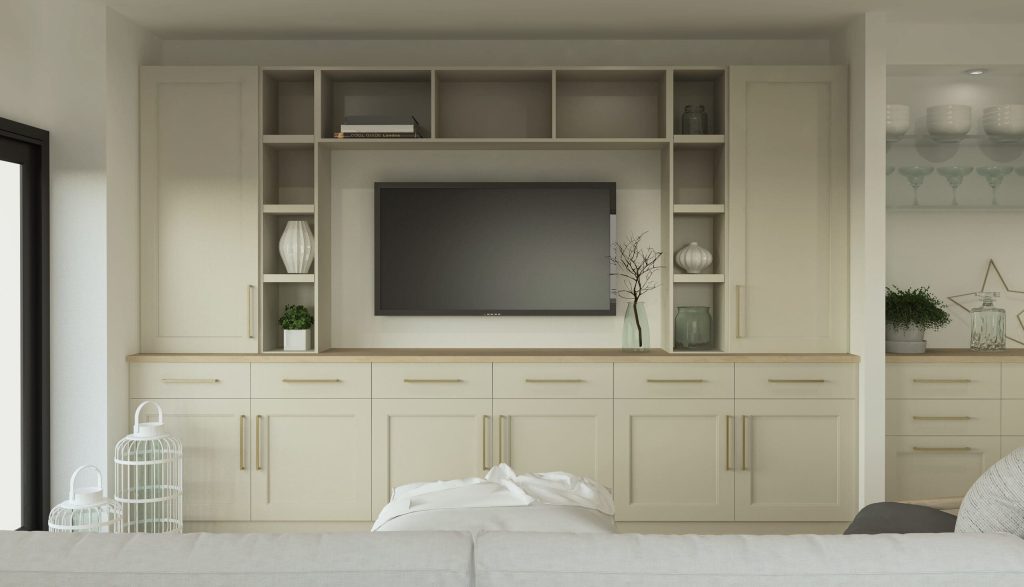
Built-in furniture is another excellent way to maximize functionality. Examples include window seats with storage beneath or bookcases that serve as room dividers. Such features can enhance both storage capacity and aesthetic appeal, providing a seamless flow in the design and contributing to an overall sense of spaciousness.
Embracing Natural Light
Minimalism harmonizes beautifully with the use of natural light to create a vibrant and airy environment. Small spaces often struggle with poor lighting, which can contribute to a feeling of confinement. Strategically utilizing window treatments such as sheer curtains allows light to permeate the space while offering a layer of privacy. Moreover, mirrors can be strategically placed to reflect light around the rooms, enhancing brightness and amplifying the overall feeling of spaciousness.
Natural elements, such as plants, can further enhance the aesthetic of a minimalist space while promoting a calming atmosphere. Small indoor plants or even vertical gardens can introduce a refreshing touch of nature without overwhelming the design. Selecting low-maintenance plants not only adds life to the decor but also contributes to the sense of tranquility associated with minimalist living.
Adopting a Flexible Mindset
Finally, minimalism in small spaces requires a flexible mindset when it comes to how areas are utilized. Spaces can often be reimagined and repurposed based on the needs of daily life. For instance, a dining area can double as a workspace, provided that compact, easily storable furniture is employed. Foldable tables and stackable chairs can transform a dining room into a functional office with minimal effort, creating a balance between work and home life.
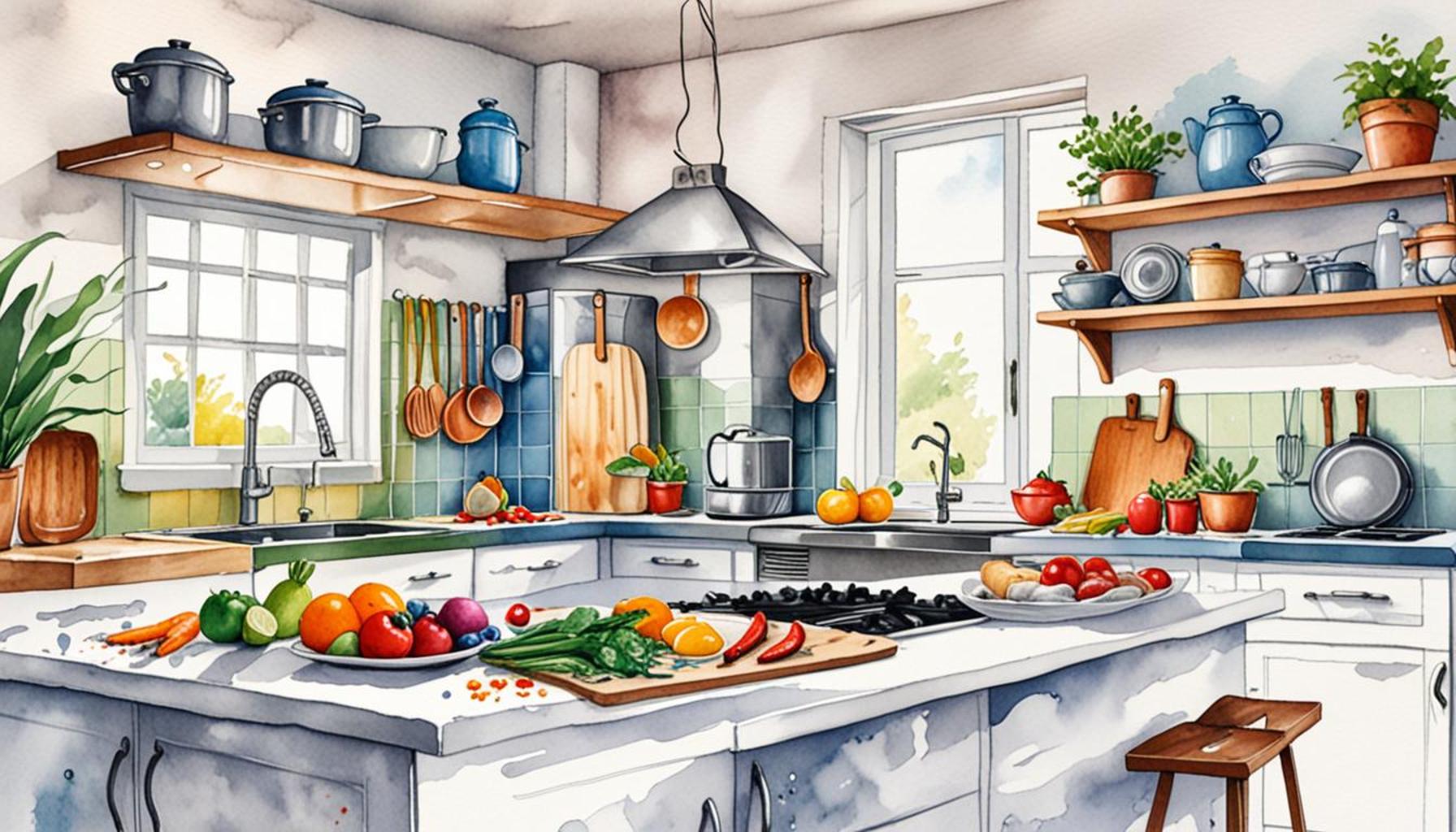
Open shelving used in kitchens can be recalibrated as a staging area for meal prep or a display area for favorite cookbooks, making cooking easier while promoting the elements of minimalism. Likewise, implementing a rotating system for items in limited storage can keep a space feeling fresh without the accumulation of excess. Periodically switching out decor or kitchen items can maintain interest while sticking to the minimalist ethos of only surrounding oneself with what is truly valuable.
The integration of these multifaceted strategies not only enhances the functionality of small spaces but also redefines them into inviting havens that reflect the inhabitants’ personalities and lifestyle choices. By embracing the principles of minimalism, individuals can pave the way for a more organized and purposeful existence, maximizing every nook and cranny of their homes.
DIVE DEEPER: Click here to uncover what truly matters
Conclusion
In a world that often glorifies excess, the principles of minimalism emerge as a powerful antidote, particularly within the confines of small spaces. By embracing a minimalist mindset, individuals can unlock the potential of their environments, reimagining them into functional havens that celebrate both simplicity and style. The integration of smart storage solutions, such as vertical shelving and multifunctional furniture, enhances organization while retaining a sense of spaciousness.
Natural light plays a critical role in this transformation, as it imbues small spaces with warmth and vibrancy, turning limiting factors into assets. The thoughtful incorporation of plants and natural elements further enriches the ambiance, creating a serene atmosphere that promotes well-being. Perhaps most importantly, adopting a flexible mindset allows living spaces to evolve, adapting to the ever-changing needs of daily life. This fluidity fosters an environment where creativity and functionality coexist harmoniously.
As you consider your own small space, reflect on the minimalist principles discussed throughout this article. Stripping away the unnecessary not only simplifies your life but also enhances the overall functionality of your home. Dive deeper into the world of minimalism, explore innovative solutions, and embrace the benefits of a clutter-free environment. Ultimately, minimalism is not simply a design choice; it is a lifestyle shift that can profoundly influence how we engage with our surroundings, leading to a more intentional and fulfilling existence.