Uncomplicating Life: Integrating Essentialism with Minimalism and Personal Organization Practices

Finding Balance in a Cluttered World
Every day, individuals are bombarded with endless choices—from the items they own to the commitments they make. This complexity often leads to feeling overwhelmed and disorganized. However, there is a solution: a harmonious blend of essentialism, minimalism, and personal organization.
Essentialism encourages focusing on what truly matters, stripping away anything that doesn’t serve a purpose. This concept, popularized by Greg McKeown in his book “Essentialism: The Disciplined Pursuit of Less,” emphasizes redefining priorities clearly to identify what is genuinely important in one’s life. For instance, individuals may find that their careers, health, and relationships are central to their happiness, leading to more intentional decisions about how to spend their time and energy.
- Defining priorities clearly: This may involve reflecting on one’s values and setting specific goals that align with those values, such as prioritizing family time over social engagements that do not contribute positively to one’s life.
- Investing time only in meaningful activities: People can ask themselves, “Is this worth my time?” as a guiding question before committing to tasks or events.
- Improving decision-making by eliminating distractions: Many successful individuals create environments free from interruptions, utilizing techniques such as time-blocking to allocate time specifically for deep work.
Minimalism promotes a lifestyle that values simplicity and intentionality. This philosophy can be observed in the growing trend of decluttering, as seen in popular shows like “Tidying Up with Marie Kondo.” The key tenets of minimalism include reducing physical possessions, which can lead to a less chaotic living space. For example, individuals might adopt the “one in, one out” rule: for every new item that comes into their home, an old one must be donated or discarded.
- Reducing physical possessions: This movement encourages individuals to recognize that fewer belongings can enhance clarity and focus.
- Creating spaces that foster peace and creativity: A well-organized workspace can significantly boost productivity and encourage creativity.
- Choosing quality over quantity: Investing in fewer, high-quality items rather than a plethora of cheap goods can lead to greater satisfaction and lower mental clutter.
Combining these philosophies with personal organization practices allows individuals to streamline their lives effectively. Routines, for instance, provide structure—allowing for the execution of daily tasks without significant deliberation. Research suggests that established routines can improve mental health by providing a sense of control.
- Establishing routines for consistency: Morning rituals—such as meditation or exercise—can set a positive tone for the day.
- Utilizing tools like planners and digital apps for optimization: Applications like Todoist or Trello can help users visualize their tasks and plan accordingly.
- Creating systems that enhance productivity: Techniques like the Pomodoro Technique encourage focused work intervals, followed by scheduled breaks, which can boost efficiency.
In a society that often glorifies busyness, the integration of these methods can lead to a more fulfilling and less chaotic existence. By thoughtfully exploring essentialism, minimalism, and personal organization, individuals may find a path to serenity amid the clutter. Taking the first step—whether decluttering a space or redefining personal priorities—can set one on the road to transformation. Discover how a thoughtful approach can transform your life and lead you to a more balanced, intentional existence.
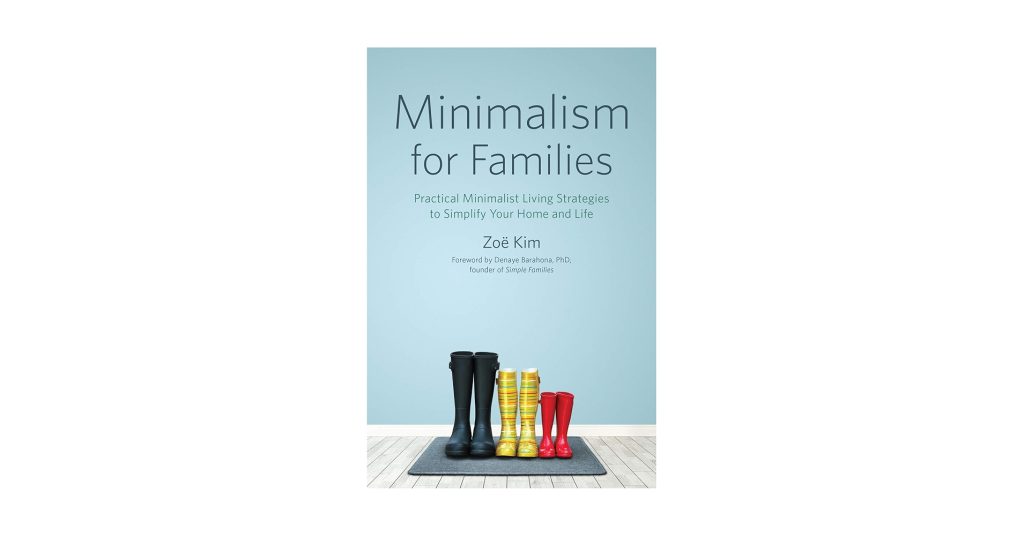
DISCOVER MORE: Click here to uncover the art of mindful living
The Intersection of Essentialism and Minimalism
To truly understand the benefits of essentialism and minimalism, it’s essential to explore how these philosophies complement one another, paving the way for simplification in everyday life. While essentialism focuses on identifying and prioritizing what is vital, minimalism takes a broader look at how the physical environment can influence overall well-being and productivity.
Both methodologies advocate for a life of purpose, and together they promote a significant shift in perspective. By combining the core tenets of essentialism with the simplicity of minimalism, individuals can systematically eliminate distractions and clutter, leading to a more intentional lifestyle.
Understanding the Synergy
At the heart of this integration is the understanding that less can indeed be more. Essentialism invites individuals to deliberately choose what to focus on based on their values and aspirations. In this sense, minimalism acts as a practical application of those choices. By reducing the number of physical items and commitments, individuals gain clarity on their priorities, leading to better decisions and enhanced focus. Here are some ways to facilitate this synergy:
- Visualizing Priorities: Categorizing belongings and time commitments based on their importance can create clear distinctions between the essential and the trivial.
- Creating a Clutter-Free Environment: A minimalist approach begins with decluttering; this encourages individuals to surround themselves with items that inspire joy and serve a meaningful purpose.
- Fostering Mental Clarity: With reduced visual distractions, people tend to experience improved concentration, making it easier to engage in essential tasks that align with their goals.
This integration can be particularly important in the fast-paced and often chaotic environment of modern America, where consumer culture often elevates unnecessary complexity. For instance, many find themselves amid a flurry of trending items, each promising to enhance quality of life, yet contributing to clutter and decision fatigue instead.
Practical Steps to Embrace Simplification
To begin implementing this philosophy in your own life, consider these actionable steps:
- Engage in Regular Reflective Practices: Take time every month to assess your personal and professional commitments, ensuring they align with your core values.
- Practice Digital Minimalism: In today’s digital age, it’s equally important to streamline your online presence. Consider organizing your email inbox and social media feeds to eliminate distractions.
- Limit Multitasking: By concentrating on one task at a time, you reinforce the principles of essentialism and achieve greater outcomes with less mental clutter.
The journey toward an uncomplicated life requires ongoing commitment and patience. As individuals start integrating essentialism with minimalism, they not only declutter their surroundings but also pave the way for increased productivity and personal fulfillment. By embracing these concepts, one fosters a lifestyle that values depth over breadth, achieving a balanced existence amidst a world that often celebrates excess.
| Advantages | Key Features |
|---|---|
| Clarity and Focus | Eliminates distractions and helps prioritize what truly matters, driving productivity. |
| Reduced Stress | Simplifying choices leads to less overwhelm and promotes mental well-being. |
| Enhanced Efficiency | Streamlined systems boost effectiveness in personal and professional settings. |
| Increased Fulfillment | Aligning actions with values fosters a deeper sense of satisfaction and purpose. |
The integration of essentialism and minimalism in personal organization practices opens the door to a life less cluttered and more purposeful. These philosophies encourage individuals to evaluate their surroundings and time, leading to intentional living choices. For example, when one adopts an essentialist mindset, they focus on essential tasks rather than merely responding to uncontrollable circumstances. This proactive approach not only improves productivity but also enhances overall quality of life.Moreover, the art of minimalism teaches us the importance of valuing experiences over possessions. By recognizing what truly adds value, individuals can cultivate spaces – whether physical or mental – that foster creativity and tranquility. Integrating these principles results in improved decision-making skills and contributes to a more connected lifestyle, encouraging one to prioritize relationships and personal growth. Dive deeper into how these theories transform everyday practices for meaningful change.
DIVE DEEPER: Click here to learn more
Enhancing Productivity through Personal Organization
While the tenets of essentialism and minimalism provide a solid foundation for simplifying life, their effectiveness is often magnified when combined with smart personal organization practices. Convenience and efficiency can become cornerstones of a lifestyle that thrives on intentionality. Implementing structured systems for organizing tasks, projects, and belongings can create additional layers of clarity that augment the benefits of essentialism and minimalism.
Establishing a Personal Organization System
To marry essentialism and minimalism with personal organization, consider a few strategies that leverage both the psychological and practical aspects of organization:
- Implementing Time-Blocking Techniques: Adopt a time-blocking approach to your daily schedule, where specific time slots are dedicated to essential tasks. This practice can prevent overscheduling by allowing you to visually assess and prioritize what truly deserves your attention each day.
- Using Digital Tools Wisely: Invest in productivity apps focused on organization. Platforms like Todoist or Trello can assist in keeping your tasks organized and minimal, allowing for easy prioritization. By emphasizing digital simplicity, you create a clutter-free virtual workspace.
- Streamlining Physical Space: Optimize your environment for productivity by organizing physical items in an efficient manner. For instance, using drawer dividers, file systems, or designated storage can make it easier to locate essential items, keeping distractions at bay.
Modern research illustrates that organized environments lead to heightened productivity. A study published in the Journal of Neuroscience found that cluttered spaces can restrict the brain’s ability to process information, causing feelings of anxiety and overwhelm. Thus, by effectively incorporating personal organization practices into your life, you enable the discovery of not just a simpler life, but a more effective one.
The Role of Routine in Simplification
Another key component of personal organization is the establishment of routines. Routines help integrate essentialism and minimalism into daily living, providing a repetitive structure that fosters intentionality. Consider these aspects of routine-building:
- Morning Rituals: Establish a morning routine that incorporates essential activities. For instance, prioritize exercise, meditation, and reflection—activities that contribute to your goals and well-being.
- Evening Wind-down: Create an evening routine that encourages relaxation and reflection, allowing you to evaluate your day against your essential priorities.
- Weekly Reviews: Set aside time each week to review your commitments and tasks, assessing their relevance to your long-term objectives. This practice aligns with the essentialist mindset while enabling the minimalist mantra of “less is more.”
Beyond personal gains, a well-structured routine can foster a sense of control and calm amid the distractions of daily life. Interestingly, data from the American Psychological Association indicates that routine can significantly improve mental health, helping individuals to manage stress more effectively.
Integrating essentialism and minimalism with personal organization practices cultivates a harmonious lifestyle centered on intentionality and clarity. This synthesis not only facilitates an efficient flow of daily activities but also encourages individuals to hone in on what truly matters, reflecting a deep understanding of their values and aspirations. In a world often choked by excess, these concepts present a refreshing paradigm for living with purpose and peace of mind.
DIVE DEEPER: Click here to find out how to simplify your life
Conclusion: Embracing a Simpler, More Intentional Life
In a world characterized by rapid pace and endless distractions, the integration of essentialism, minimalism, and personal organization practices offers a profound pathway to reclaiming clarity and purpose. By prioritizing what truly matters and decluttering both mental and physical spaces, individuals can cultivate lives that resonate deeply with their values and aspirations. This synthesis not only reduces feelings of overwhelm but also enhances mental well-being, as supported by research from organizations like the American Psychological Association.
Establishing a routine, employing time-blocking techniques, and utilizing digital tools effectively can streamline daily activities, creating a thriving environment for productivity and mindfulness. The beauty of this approach lies in its flexibility; it can be tailored to fit personal preferences and needs, fostering both creativity and efficiency. As many have discovered, the act of simplifying life does not mean sacrificing richness; rather, it opens up avenues for experiencing life more fully.
As you embark on this journey towards uncomplicating life, remember that small, intentional changes can lead to profound transformations. Whether it’s identifying your core priorities, dedicating time to reflect on your progress, or engaging in mindful routines, each step brings you closer to a fulfilling and serene existence. By embracing these practices, you not only create space for what matters but also inspire others to seek simplicity and purpose in their own lives.