Essentialisms Impact on Decision Making Personal Organization

In today’s fast-paced world, the challenge of making informed decisions and maintaining personal organization can often feel overwhelming. Embracing essentialism—the disciplined focus on what truly matters—can significantly enhance our ability to navigate these complexities. Understanding this concept is particularly relevant as more individuals turn to minimalism as a philosophy for a clutter-free life.
Essentialism encourages us to prioritize our time and energy, leading to improved outcomes both personally and professionally. It fosters a mindset that champions quality over quantity, enabling better decision-making through clarity and focus. In this article, we will explore the importance of essentialism and its practical applications in daily life.
Top 5 Insights into Essentialism
To guide you on your journey toward embracing essentialism, we have curated a list of the Top 5 insights and strategies:
- Define Your Priorities: Understanding what truly matters to you.
- Learn to Say No: Protecting your time and resources.
- Eliminate Distractions: Creating a focused environment for decision-making.
- Reflect Regularly: Assessing outcomes to refine your approach.
- Maintain Balance: Ensuring your decisions align with your core values.
Explore these elements as you cultivate a more intentional lifestyle. Discover how essentialism can transform your approach to decision-making and personal organization for a more fulfilling life.
Top 5: The Importance of Essentialism in Decision Making and Personal Organization
In an age characterized by perpetual busyness, abundant distractions, and an overwhelming array of choices, the philosophy of essentialism emerges as a beacon of hope for those seeking to reclaim clarity and purpose. Essentialism is not merely about doing less; it is about investing in fewer things but with discernment and profound intent. This disciplined pursuit of less can transform our approach to decision-making and personal organization, enhancing our ability to focus on what truly matters. As we unfold this concept, we delve into the top five ways essentialism can elevate both our strategic decisions and the structure of our lives.
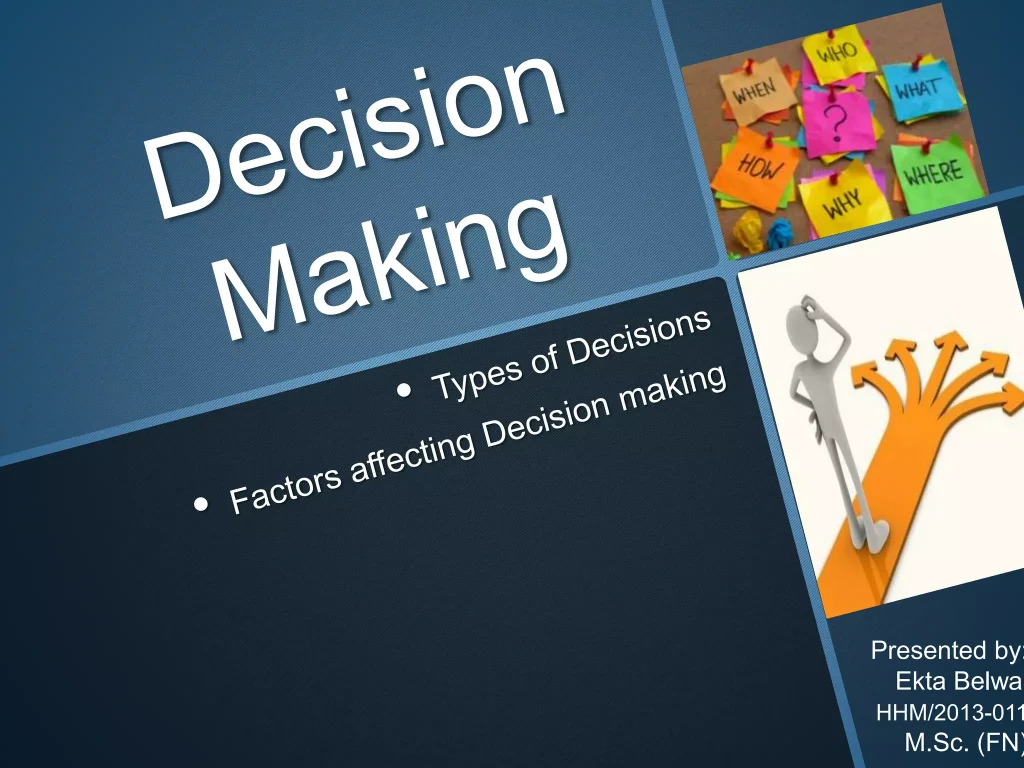
5. Simplifying Choices to Reduce Overwhelm
In contemporary society, individuals are bombarded with information and decisions on an unprecedented scale. Consequently, many fall victim to the paralysis of having too many options, a phenomenon known in psychological circles as “paralysis by analysis.” Here, essentialism serves as a liberating force, guiding individuals to weed out the superfluous and concentrate on choices that align with their intrinsic values and long-term goals.
Consider the mental liberation that comes from simplifying decisions. For instance, a working professional inundated with career advancement opportunities can use essentialism to map these to core career aspirations and values. A simple yet powerful approach is to:
- Define your core values: Establish clear values that reflect what truly matters both personally and professionally. This acts as a compass when making choices.
- Create a decision-making framework: Develop a method to critically evaluate each option, ensuring it supports your predefined values and goals. A structured thought process can alleviate decision fatigue.
- Limit options: Filter out less important alternatives to reduce decision stress and focus only on those that genuinely require your attention.
This systematic approach to decision-making not only reduces mental clutter but also helps you make decisions with increased confidence and speed, leaving you free to direct energy toward the things that truly count.
4. Enhancing Productivity through Prioritization
Essentialism goes beyond choice simplification by embedding the principle of prioritization. It prompts you to identify and focus on high-impact tasks, thereby streamlining the deployment of your time and resources. The technique can profoundly alter your productivity landscape, driving more significant outcomes by teaching you to say “no” to distractions and opportunistic engagements.
For those seeking to capitalize on prioritization through essentialism, these techniques are invaluable:
- The Eisenhower Matrix: This tool categorizes tasks into four quadrants—urgent and important, not urgent but important, urgent but not important, and neither. This kind of tiered system helps you systematically identify real priorities.
- Weekly reviews: Regularly reassessing your to-do list against your core objectives helps keep your focus tight and your approach dynamic.
- Set clear boundaries: An essential skill in productivity, this involves communicating upfront about what you can accommodate, helping protect your time and energy.
By concentrating on high-priority actions, you not only advance personal and professional objectives but also foster a sense of balance and accomplishment. These strategies are like pruning the branches of a tree, allowing the most essential limbs to bear the strongest fruits.
3. Creating Space for Reflection and Growth
A significant boon of essentialism is the whitespace it creates for reflection and authentic growth. Free from the noise of non-essentials, you are granted the opportunity to introspect on your life’s course, dreams, and aspirations. This invaluable time for reflection not only assists you in making grounded decisions but propels personal development through intentional consideration of past actions and future trajectories.
To carve out space for such existential reflection, consider these activities:
- Journaling: Dedicate time to chronicle your thoughts, experiences, and decisions. This practice can clarify personal insights and patterns over time.
- Mindfulness practices: Engage in activities such as meditation or deep-breathing, fostering present-moment awareness that enhances self-awareness and cognitive flexibility.
- Feedback loops: Engage with mentors or trusted peers to gain external perspectives. This feedback can provide innovative insights into both strengths and areas for improvement.
Such reflective practices deepen your connection with your core aspirations and inspire authentic personal and professional growth.
2. Empowering Confidence in Decision Making
Embracing essentialism can tremendously bolster your ability to make confident decisions. This is predicated on the assurance that arises when one’s choices are aligned authentically with personal values and goals. Confidence in decision-making translates not only to reduced regret but also a reinforced sense of responsibility and empowerment.
Building confidence in decision-making with essentialism can be approached through:
- Stay aligned with your values: Regularly reaffirming your values ensures that your decisions resonate with your true self, providing a foundation for unwavering confidence.
- Trust your instincts: Cultivating intuition strengthens decision-making by grounding choices in a deep-rooted sense of authenticity and self-trust.
- Accept imperfection: Embrace the growth mindset. Understand that not every decision leads to the intended result; instead, view these outcomes as opportunities for learning and adaptation.
This poised approach not only enhances your confidence but ensures that each decision uniquely contributes to your vision of a fulfilled life.
1. Cultivating a Meaningful Life
At the heart of essentialism is the profound quest for a life imbued with meaning and purpose. Rather than the ceaseless pursuit of more, essentialism challenges individuals to discern what genuinely matters, crafting their lives around core principles and passions that promise enduring satisfaction.
To cultivate meaningfulness, essentialism urges an inward focus, where:
- Reevaluate long-term goals: Periodically assess and realign current activities with your envisioned life’s mission.
- Live proactively: Shift from reactive living to a frame where daily actions are driven by intentional design and reflection.
- Embrace fulfillment over achievement: Align actions not just with achievements but with those fulfilling experiences that resonate with your being.
Ultimately, essentialism encourages us to sculpt a life suffused with purpose, where each decision and endeavor contributes to a cohesive and fulfilling narrative.
Essentialism, then, is more than a strategy—it is a philosophy that reshapes how we interact with the world. Through its lens, decision-making and organization transform from overwhelming chores to empowering opportunities. With essentialism as a guiding framework, we can navigate life with a heightened sense of purpose, tranquility, and satisfaction, ensuring that our finite resources yield infinite possibilities.
| Category | Details |
|---|---|
| Clarity in Priorities | Essentialism emphasizes identifying the most critical tasks and objectives, allowing individuals to focus their energies on what’s truly important. This prioritization leads to a more satisfactory decision-making process. |
| Enhanced Productivity | By minimizing distractions and non-essential tasks, essentialism helps in boosting productivity levels. Individuals find that their time is spent more wisely, yielding significant results in both personal and professional settings. |
| Stress Reduction | Focusing only on what truly matters can lead to substantial decreases in stress. By eliminating the superfluous, individuals can experience a sense of calmness and control over their decisions. |
| Better Decision-Making | Essentialism fosters an environment where individuals make informed and deliberate choices. Through thoughtful consideration of values and objectives, decision-makers can navigate options more effectively. |
Frequently Asked Questions about the Importance of Essentialism in Decision-Making and Personal Organization
What is essentialism, and how does it differ from minimalism?
Essentialism is a philosophy that encourages focusing on what truly matters by discerning what is essential and eliminating the non-essential from our lives. It emphasizes the importance of making intentional decisions to prioritize tasks that align with our core values and goals. On the other hand, minimalism is about reducing clutter and minimizing possessions. While both concepts value simplicity, essentialism places emphasis on deliberate choice, guiding individuals not just to have less but to focus on the right things.
How can essentialism improve decision-making?
By adopting essentialism, individuals can significantly improve their decision-making process. It enables one to identify and concentrate on the most critical tasks rather than trying to do everything at once. This approach helps in avoiding burnout and allows for more pronounced progress in areas that truly impact your life. Essentially, essentialism encourages saying ‘no’ to less important opportunities, freeing up space for deeper focus on essential tasks. This leads to more effective and fulfilling decisions.
What practical steps can one take to implement essentialism in personal organization?
Implementing essentialism can start with a few key steps: firstly, define and clarify personal values and goals to ensure alignment in activities and choices. Secondly, audit your commitments and eliminate those that do not serve your primary objectives. Thirdly, practice diligence in maintaining focus on priorities, which may involve setting boundaries around time and energy spent on tasks. By gradually embedding these practices, one’s personal organization will align more closely with essentialist principles.
Can essentialism be applied in both professional and personal life?
Yes, essentialism is highly applicable in both professional and personal domains. In the workplace, it can enhance productivity by ensuring efforts are aligned with strategic objectives, fostering a high-impact work environment. Personally, it can improve life satisfaction by removing distractions and concentrating on what matters most to you. By consistently applying essentialism, many find greater balance and fulfillment across all areas of life.
Conclusion
In a world clattered with endless choices and distractions, the practice of Essentialism emerges as a crucial strategy for effective decision-making and personal organization. By embracing the principles of Essentialism, individuals can streamline their lives, focusing on what truly matters and shedding non-essential elements that consume time and energy.
Central to this philosophy is the identification of core priorities, enabling people to allocate resources to activities that align with their values and long-term objectives. The adoption of Essentialism empowers individuals to make decisions more intentionally, concentrating on fewer, but more meaningful pursuits. This approach fosters a mindset shift from quantity to quality, underscoring the value of depth over breadth.
Furthermore, Essentialism aids in combating the pervasive issue of burnout by advocating for setting clear boundaries and saying ‘no’ to commitments that do not serve one’s goals. Incorporating Essentialism into daily routines results in enhanced clarity and purpose, reducing stress and increasing productivity. As people begin to eliminate the superfluous, they cultivate a sense of autonomy and control over their lives.
The impact of Essentialism stretches beyond personal gains; it has profound implications for the minimalist movement and personal organization as well. By prioritizing essentials, individuals can optimize their environments for efficiency and peace, aligning with the tenets of minimalism. In conclusion, the adoption of Essentialism not only refines individual focus but also paves the way for a more meaningful, organized existence, encouraging further exploration into its principles and potential benefits.