Transform Your Home Office with Minimalism Space Optimization Strategies
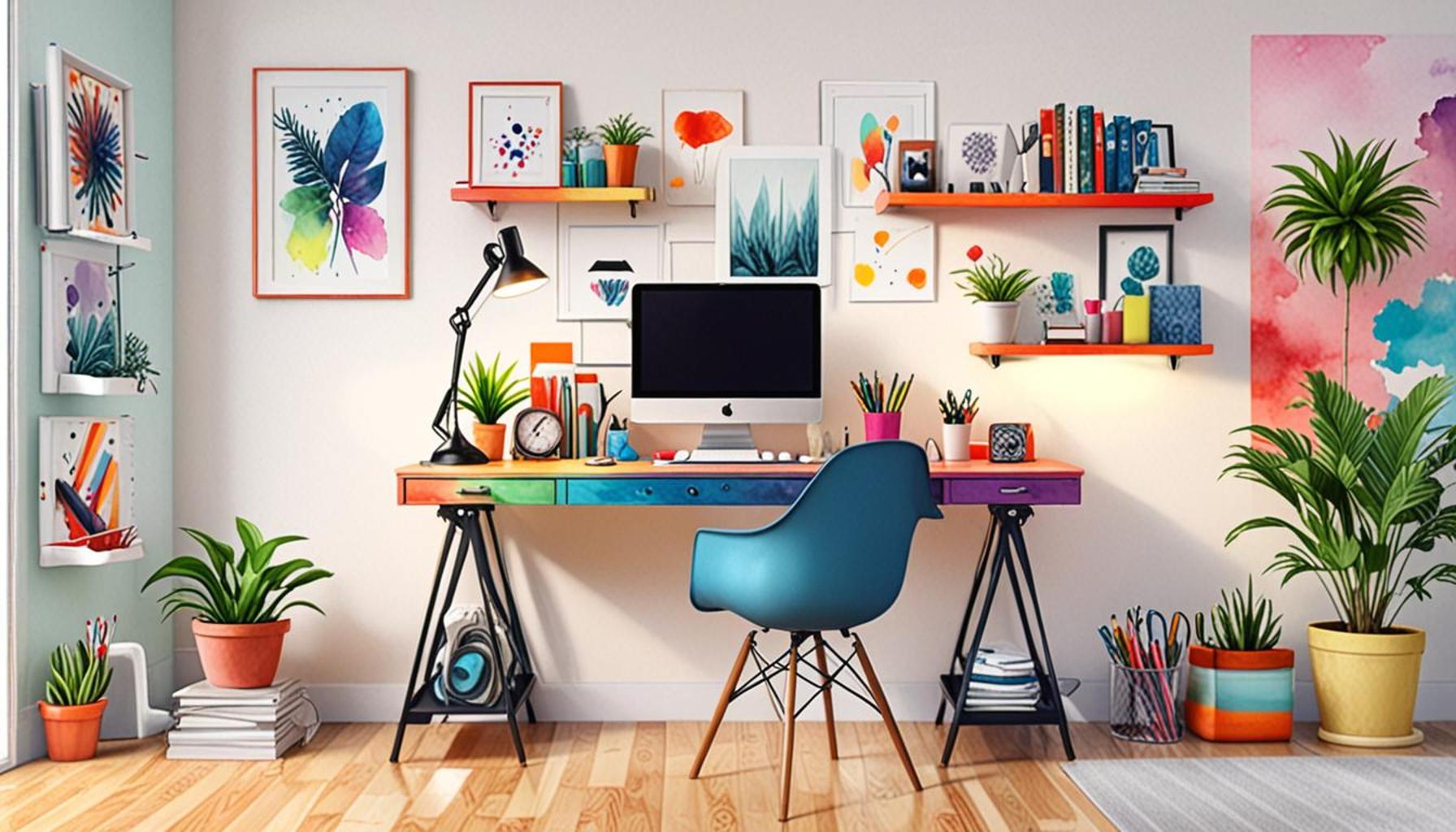
In today’s fast-paced world, many individuals find themselves struggling with clutter and distraction in their home offices. Minimalism, a lifestyle choice that emphasizes simplicity and intentionality, provides a powerful framework for transforming workspaces into havens of productivity. By adopting minimalistic principles, you can significantly enhance your work environment and overall efficiency.
Understanding how to apply minimalism to your office space is crucial, particularly as more people embrace remote work. Here are some key benefits:
- Increased Focus: Reduce visual distractions to enhance concentration.
- Improved Organization: Optimize space with functional layouts and essentials.
- Boosted Creativity: A clear environment promotes innovative thinking.
This article will explore Top 5 strategies for implementing minimalism in your home office. Each strategy is designed to maximize your workspace’s potential, enabling you to work smarter, not harder. Get ready to discover how a minimalist approach can revolutionize your productivity.
Top 5 Strategies for Transforming Your Home Office with Minimalism
The significance of a well-organized home office is profound, especially as remote work becomes a mainstay in modern professional life. Embracing minimalism—a lifestyle centered on simplicity and efficiency—offers invaluable insights for crafting a productive work environment. Here, we delve into five strategies aimed at optimizing your space while enhancing productivity, presented in a sequence from practical tips to potential life-changing transformations.
5. Declutter Regularly
Central to the philosophy of minimalism is the act of decluttering. To ensure an efficient workspace, it’s imperative to remove items that don’t serve a purpose or enhance your workflow. Begin with a meticulous assessment of your desk and its adjacent spaces:
- Recycle or shred outdated documents that no longer serve a purpose.
- Remove or store away decorative items that serve as distractions more than inspirations.
- Designate specific zones for essential items, making them easily accessible and organized.
Migrating towards a habit of decluttering at the end of each week can maintain an organized environment while promoting mental clarity. An uncluttered space goes beyond aesthetic appeal; it significantly influences your ability to concentrate and execute tasks efficiently.
4. Optimize Lighting
Lighting is a vital, albeit often overlooked, component of a workspace’s atmosphere. Enhancing your office’s environment with natural light and strategically placed artificial lighting can make all the difference:
- Whenever possible, position your desk near a window to make the most of natural daylight.
- Invest in desk lamps equipped with adjustable brightness settings to tailor your lighting to various tasks.
- Employ soft lighting to craft a soothing atmosphere that supports long periods of work without fatigue.
Effective lighting solutions can alleviate eye strain, boost mood, and subsequently elevate productivity. A few simple adjustments can transform lighting from a mere accessory to a key player in your home office ambiance.
3. Choose Functional Furniture
The effectiveness of your home office is intrinsically linked to your choice of furniture. Investing in multi-functional furniture not only saves precious space but also increases comfort and utility:
- Select desks that incorporate built-in storage solutions, thus reducing the need for additional furniture.
- Ergonomic chairs are crucial; they ensure you maintain good posture, preventing long-term musculoskeletal problems.
- In compact spaces, consider utilizing wall-mounted desks to free up floor space.
Furniture that serves dual purposes or enhances space efficiency will better accommodate the various demands of remote work. A well-curated office setup is central to a functional and aesthetically pleasing home office.
2. Implement a Color Palette
A cohesive and minimal color palette exerts a subtle but profound influence on mood and productivity. By selecting calming colors, you can create an environment that not only looks great but enhances focus:
- Incorporate soft blues and greens to instill a sense of tranquility and focus.
- Choose neutral shades like beige or gray to emphasize simplicity and clarity.
- Add pops of accent colors, carefully placed, to stimulate creativity without causing distraction.
A well-chosen color scheme can be a powerful tool in maintaining concentration and stability in your working environment. The right colors harmonize an office space, reducing visual noise and fostering an atmosphere ideal for deep work.
1. Design a Minimalist Layout
The pinnacle of minimalistic home office transformation lies in the strategic design of its layout. Prioritizing functionality while minimizing distractions can significantly enhance work effectiveness:
- Establish a central work zone meticulously free of clutter, dedicating space exclusively for work-related activities.
- Arrange essential items within easy reach to maintain a seamless workflow without unnecessary interruptions.
- Incorporate a designated relaxation zone, serving as a respite for moments of leisure or creative pause.
A thoughtfully designed layout can redefine your productivity, transforming your office into a sanctuary for focused work and creativity. Such arrangements can spell the difference in making your workspace a source of inspiration and drive.
Integrating minimalism into your home office can render substantial benefits for productivity and overall wellness. By methodically implementing these strategies, you can create not just an aesthetically aligned space but one that actively nurtures creativity and efficiency. Are you ready to begin this transformative journey? Focus on one strategy at a time, allowing gradual, impactful changes to unfold!
Integrating a minimalist approach into your home office not only influences your physical surroundings but also profoundly impacts mental well-being and productivity. The subtle yet powerful changes stemming from a minimalist ethos make way for transformative strategies that redefine how we work and create. Consider the infusion of natural elements such as plants; according to studies, they are known to enhance mood and reduce stress. Furthermore, employing modular furniture can aid in versatility, allowing a seamless transition between different work modes—focused tasks, collaborative projects, or brainstorming sessions. Visual organization is another aspect where minimalism shines. Implementing clear storage solutions, such as labeled bins or minimalist shelving, fosters a sense of order and enables a quick retrieval of needed items, thus saving valuable time. Additionally, mindful color choices—like soft tones or monochromatic schemes—can have a strong psychological impact, contributing to a serene work atmosphere.Moreover, prioritizing essential tools while decluttering less-used items ensures that each object in your workspace serves a purpose, which is a central tenet of minimalism. This not only aids in time management but also encourages a more intentional and productive work rhythm. Embracing these shifts can make a notable difference in one’s overall efficiency and satisfaction while working from home.
Frequently Asked Questions About Implementing Minimalism in Home Offices
What are the key principles of minimalism that can be applied to a home office?
Minimalism in a home office revolves around the principle of removing excess to reveal the essentials. This means decluttering your space by eliminating unnecessary items and furniture, which can distract and reduce productivity. By prioritizing functionality and simplicity, you can create an environment that promotes focus and efficiency.
How can minimalism improve productivity in my home office?
Adopting a minimalist approach can significantly boost productivity by reducing distractions, which often come from visual clutter. A streamlined workspace can also enhance your mental clarity, enabling you to focus better on tasks at hand. Additionally, minimalism encourages the use of multi-functional furniture and technology, allowing for a more efficient use of space.
What are some practical steps to start a minimalism transformation in my office?
Begin with a thorough decluttering session where you identify and remove items that are not essential. Then, reorganize the remaining items, ensuring that everything has a specific place. Consider investing in multi-functional furniture, like desks with storage solutions, to maximize your space. Finally, adopt a habit of regular maintenance to prevent clutter from building up again.
Is it expensive to design a minimalist home office?
Contrary to popular belief, creating a minimalist home office does not have to be costly. The minimalism philosophy focuses on quality over quantity, which often means purchasing fewer, but durable and higher-quality items. You can also repurpose existing furniture and decor in creative ways to avoid unnecessary expenditure.
Conclusion
Incorporating minimalism into your home office stands as a beacon of productivity and tranquility in today’s cluttered world. By embracing strategies for space optimization, individuals can experience a significant enhancement in focus and efficiency. The core principles of minimalism — clearing away the unnecessary, emphasizing simplicity, and valuing functionality — offer practical tools for transforming one’s workspace.
The first step lies in decluttering, a process that not only organizes the physical space but also clears mental clutter, encouraging a clearer thought process. Choosing furniture that maximizes utility, like multi-functional desks and ergonomic chairs, fosters a conducive environment for work. Additionally, leveraging technology to go paperless can significantly reduce physical clutter and align with a minimalist aesthetic.
Embracing a neutral color palette and utilizing natural light enhance the workspace ambiance, creating an inviting and calm environment that boosts productivity. Storing essentials strategically ensures that the workspace remains tidy and distractions are minimized, enabling a seamless workflow.
The importance of personal organization and minimalism in the home office cannot be overstated. Whether you are a freelancer or a remote worker, a well-organized and minimalist workspace is a catalyst for productivity. It invites a renewed focus on what truly matters, allowing the mind to forge ahead unencumbered by chaos.
As more people adopt remote working arrangements, the minimalist approach to home office design is becoming increasingly relevant. Delving further into minimalism opens doors to a more efficient work life by showcasing how less can indeed be more. With each step towards minimizing and organizing, you are not only optimizing physical space but also paving the way for greater clarity and purpose.